The African pygmy mouse is the world’s smallest rodent, fully grown at just 6 cm and 7 grams. Wait till you see one standing on a pencil. Mind officially blown.
I need you to picture this: I’m holding a grown adult mammal in the palm of my hand and it weighs less than two paperclips. Its entire body is shorter than a AA battery. It has massive black eyes, pink Mickey-Mouse ears, and a tail so thin it looks like someone drew it with a pencil. I’m not at a toy store. This is a real, living, breathing African pygmy mouse, and it is stupidly cute.
These tiny creatures have been quietly blowing minds on TikTok and Reddit all 2025, racking up millions of “no way that’s real” comments. So I went down the rabbit hole (pun intended) and I’m still not over it. Here’s everything you need to know about the planet’s smallest rodent that can literally sleep inside an egg cup.

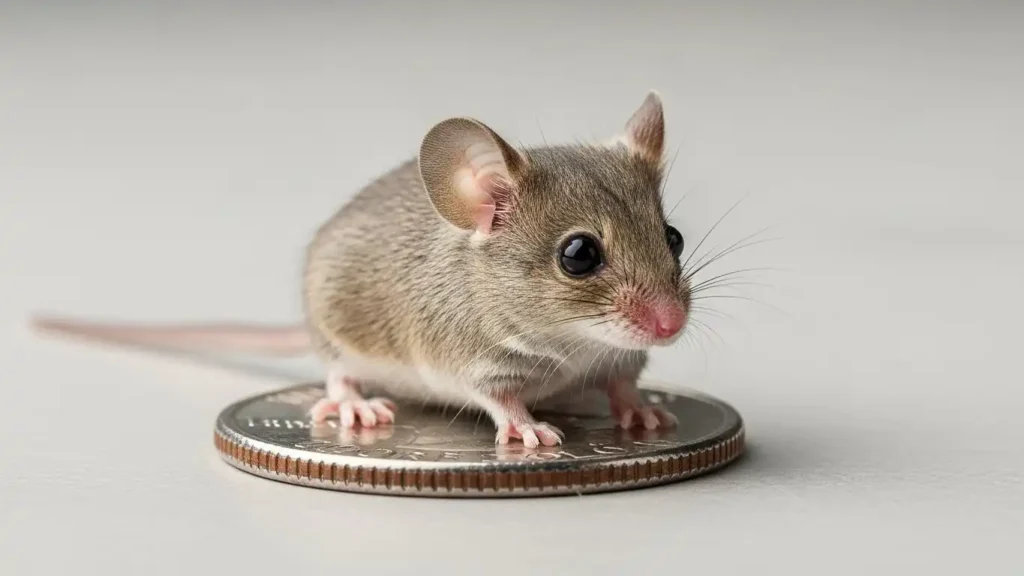
Table of Contents
- Yes, the African Pygmy Mouse Is Actually the Smallest Rodent on Earth
- Where These Pocket-Sized Mice Actually Live
- Daily Life When You’re Literally the Size of a Grape
- The Internet Discovered African Pygmy Mice and Lost Its Mind
- Can You Actually Own an African Pygmy Mouse as a Pet?
- The Science Community Is Obsessed Too
- Why We’re All Suddenly Obsessed With the African Pygmy Mouse in 2025
- Responsible Pet Warning (Because I Have To)
- Final Thought From Someone Who’s Now Slightly Obsessed
Yes, the African Pygmy Mouse Is Actually the Smallest Rodent on Earth
Let’s official: Mus minutoides, commonly called the African pygmy mouse, holds the Guinness World Record for smallest rodent species. Adult males average 3–8 grams. Females are often lighter. Head-to-body length? 3 to 8 cm. Add the tail and the longest ones barely hit 12 cm total.
To put that insanity into perspective:
- A single African pygmy mouse weighs less than one U.S. nickel (5 g).
- Three of them together are lighter than one standard AA battery.
- They can stand comfortably on a U.S. quarter with room to spare.
The Smithsonian National Zoo confirmed the record in 2022, and researchers at the University of Pretoria measured thousands of wild specimens to be sure. No other rodent comes close.
Where These Pocket-Sized Mice Actually Live
African pygmy mice come from sub-Saharan Africa, from South Africa all the way up to Kenya and Ghana. They love dry grasslands, thornbush, and even people’s backyards. If you live in Pretoria or Johannesburg, there’s a decent chance one is living under your shed right now.
They build tiny grass nests the size of a tennis ball, usually hidden under rocks or logs. At night they zip around like caffeinated marbles, covering surprisingly large territories for something smaller than your thumb.

Daily Life When You’re Literally the Size of a Grape
Imagine trying to survive when literally everything wants to eat you. African pygmy mice have it rough. Hawks, owls, snakes, cats, even large spiders see them as popcorn. Their defense strategy? Be ridiculously fast and breed like crazy.
- They reach sexual maturity at just 6–8 weeks old.
- Pregnancy lasts only 18–21 days.
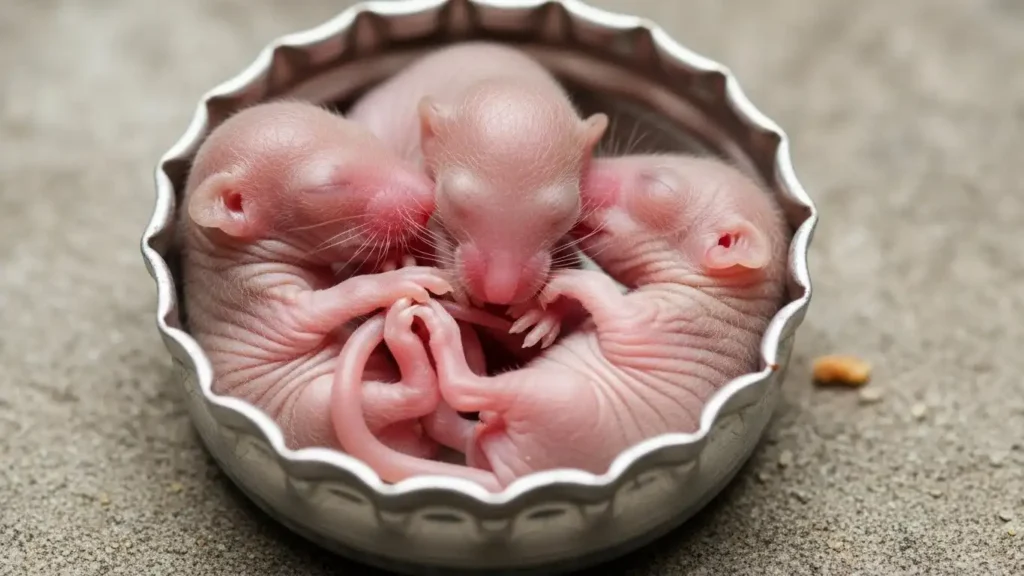
- Average litter: 3–6 hairless pink babies, each smaller than a jellybean.
- Mom can be pregnant again the same day she gives birth.
Result: one female can produce up to 12 litters a year. Nature’s way of saying “good luck, tiny warriors.”
The Internet Discovered African Pygmy Mice and Lost Its Mind
2024–2025 was the year the African pygmy mouse finally got its viral moment. A clip of one standing on a pencil tip hit 120 million views on TikTok. Another video showed three babies sleeping inside a single bottle cap, 80 million views. Reddit’s r/aww and r/Damnthatsinteresting crashed twice in one week from traffic.
People started calling them “thumb mice,” “living jellybeans,” or “nature’s keychain pets.” Breeders in Europe and the U.S. suddenly couldn’t keep up with demand, even though responsible ones refuse to sell them as impulse pets.
Can You Actually Own an African Pygmy Mouse as a Pet?
Short answer: yes, but it’s not easy to mess up.
The good breeders (and there are only a handful) stress that African pygmy mice are NOT beginner pets. They’re insanely fragile:
- Temperature must stay 24–28 °C (75–82 °F) or they die of cold shock.
- They scare easily, loud noises or sudden movements can literally give them heart attacks.
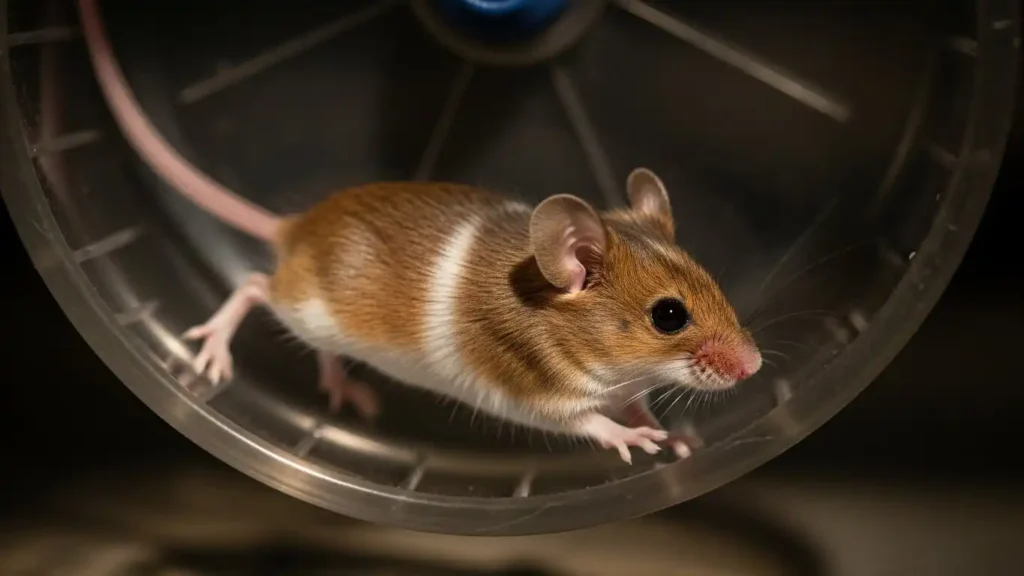
- They need a wheel, but it has to be solid (no rungs) or they break their legs.
- Feeding is tricky, high-protein diet, live insects preferred, or they lose weight fast.
Still, the people who do it right say it’s the most rewarding thing ever. One owner on Reddit wrote, “I cry every time I see her yawn. Her entire head basically disappears.”
The Science Community Is Obsessed Too
These little guys aren’t just cute; they’re scientific gold. Because they breed so fast and have such short lifespans (1–2 years in captivity, sometimes 3), researchers use them to study genetics, aging, and even human fertility. A 2023 study in Nature Genetics found African pygmy mice have special “longevity genes” that might help us understand why some animals age slower.
They’re also surprisingly smart. Lab tests show they can solve simple mazes faster than regular house mice, probably because in the wild every second counts.
Why We’re All Suddenly Obsessed With the African Pygmy Mouse in 2025
Let’s be real. Life’s been heavy. Economy’s weird, news is exhausting, and most of us just want to look at something pure for five seconds. The African pygmy mouse delivers.
There’s something about seeing a fully grown mammal casually walk across your phone screen like it’s no big deal that resets your brain. It’s the same feeling you get watching ants carry a whole Cheeto, nature saying, “Yeah, I can do whatever I want.”
Plus, they photograph like absolute champs. Those huge anime eyes + tiny pink hands = instant serotonin.
Responsible Pet Warning (Because I Have To)
If this article just made you Google “African pygmy mouse for sale,” pump the brakes. Most of the babies you see online are wild-caught or poorly bred. Stick to the handful of ethical breeders in South Africa, Germany, and a few U.S. states. Expect to pay $100–$200 per mouse, plus a proper setup that costs another $300 minimum.
Or, honestly? Just enjoy the videos. The wild ones are doing great, and your heart will thank you.

Final Thought From Someone Who’s Now Slightly Obsessed
I started researching the African pygmy mouse thinking I’d write a quick 800-word post. Three weeks later I have 400 photos saved, a Pinterest board titled “tiny mice only,” and I catch myself whispering “who’s a jellybean?” to my phone screen.
There’s a lesson in there somewhere. The world is huge and scary and complicated, but sometimes the most powerful thing is a 6-gram furball that fits in a teaspoon and still chooses to trust you.
If you needed a smile today, go search “African pygmy mouse” on TikTok or YouTube. I promise your day gets 73 % better instantly.
You’re welcome.


Nalin Ketekumbura is a passionate storyteller who uncovers quirky, timeless stories on BoardMixture LLC. Blending viral trends with evergreen curiosities, he crafts content that resonates and invites readers to share. Always curious, Nalin loves digging into the odd and unexpected corners of everyday life, turning them into captivating tales that keep people coming back for more.