Across the world, animals once pushed to the edge by hunting, habitat loss, poisoning, and isolation have made quiet, remarkable recoveries. Thanks to dedicated protection, smart science, and the simple gift of space, these species are returning stronger—reuniting herds, filling skies, and helping ecosystems heal. Here are 11 true stories of hope in the wild, updated with the latest figures as of early 2026.
#1 Yellowstone Bison – Reunited on Ancient Paths
Once nearly gone and split apart, Yellowstone’s bison now walk as one connected herd again.

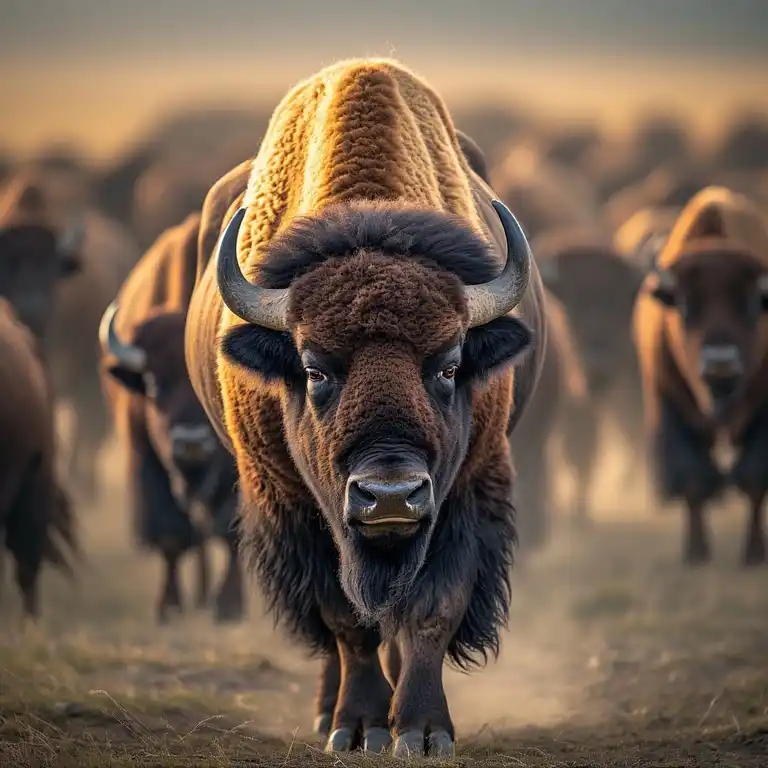
A long time ago, hunting and shrinking lands pushed Yellowstone’s bison to the edge, leaving only a handful of survivors split into two isolated groups that stayed far apart in the park’s distant valleys.
For decades, these separate herds followed their own quiet paths, rarely crossing, while the land waited.
Thanks to years of careful protection, the bison have grown to around 5,000, and recent genetic research confirms the two old groups have come together as one connected population that now roams and breeds freely across the park.
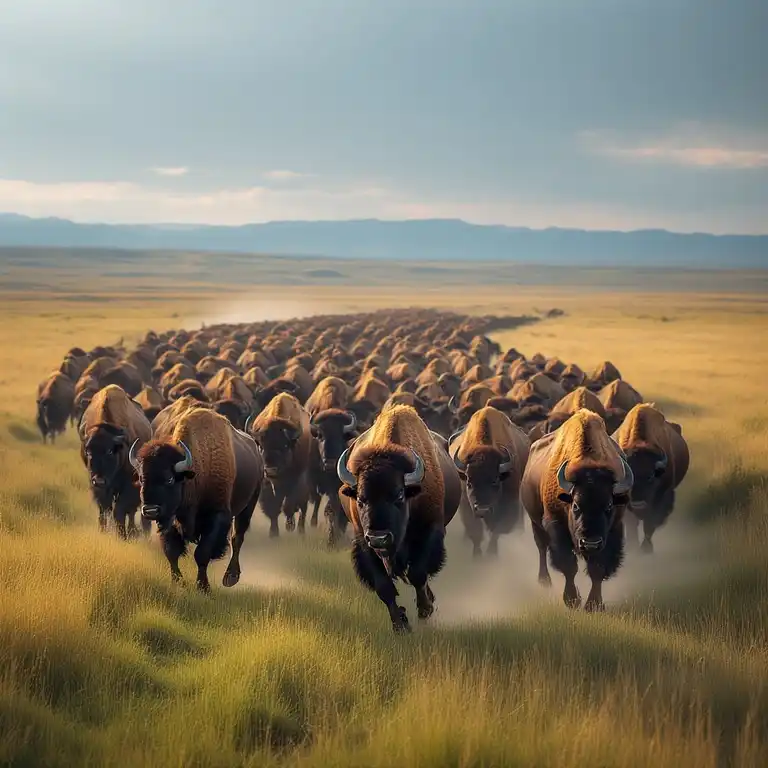
As the herd follows their old migration trails, their heavy hooves dig into the dirt, drop seeds here and there, and help the grass come back thicker and healthier with more kinds of plants. When we let animals move freely and link up again, the land slowly starts fixing itself.
#2 Gray Wolves in Yellowstone – The Return of the Pack
After being gone for so long, the wolves came back to Yellowstone and things just started feeling more balanced out there.
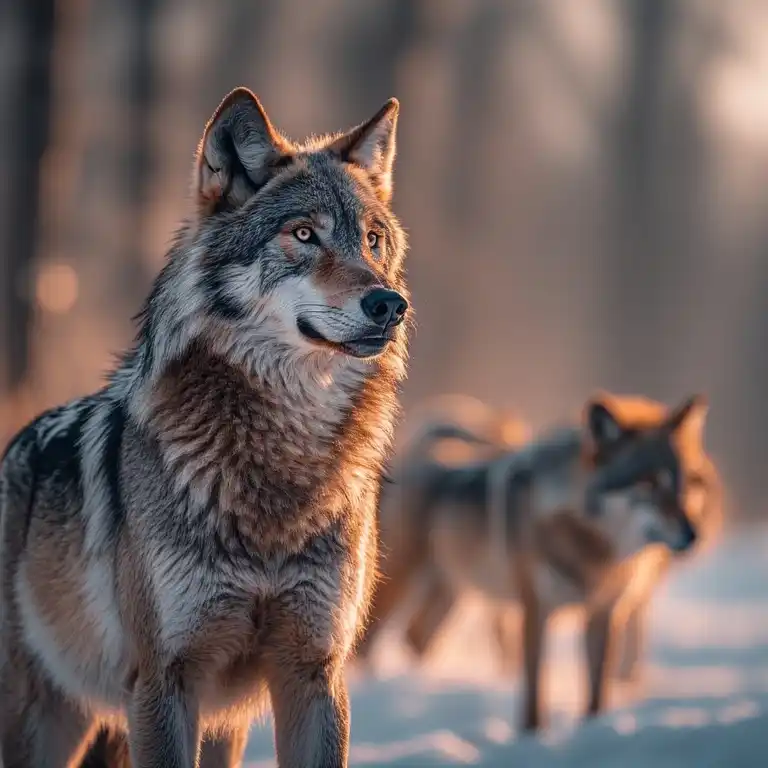
Gray wolves were wiped out of Yellowstone by the 1920s because of hunting and worries about livestock, so the park went decades without its main predator.
In 1995, after a lot of thought and planning, wolves from Canada were reintroduced into the park.
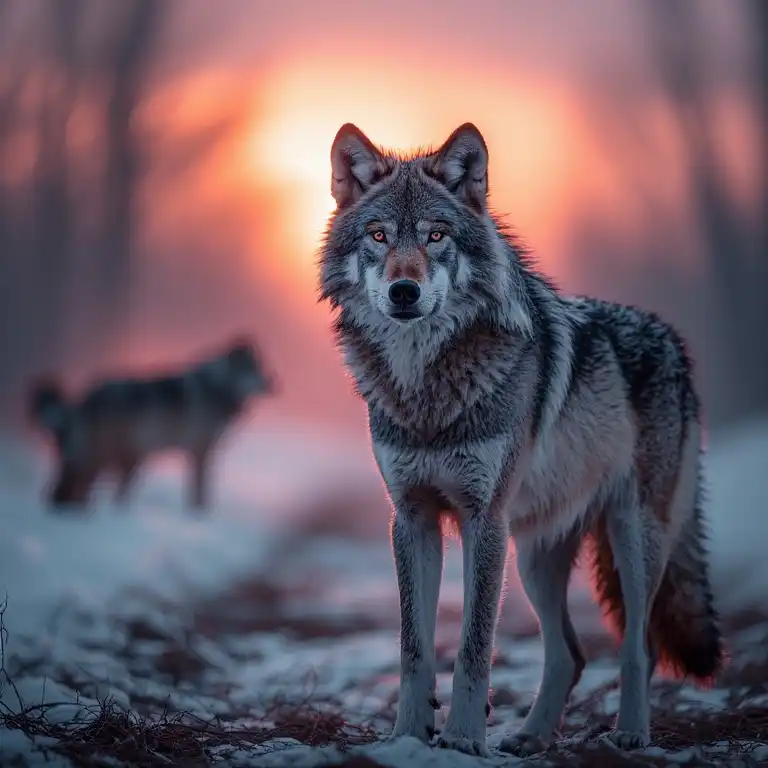
The packs built up over time—now there are around 90 to 110 wolves spread across several groups moving through the valleys—and it reshaped the entire ecosystem. Elk no longer overgraze, trees and willows are returning along streams, beavers are building dams again, and birds have come back to places that stayed silent for years.
When predators finally get a fair chance to live as they should, the whole ecosystem clicks back into place.
#3 Bald Eagles Across America – Soaring Back to the Skies
Poisoned and hunted almost to nothing, bald eagles now soar in the hundreds of thousands over America’s waters.
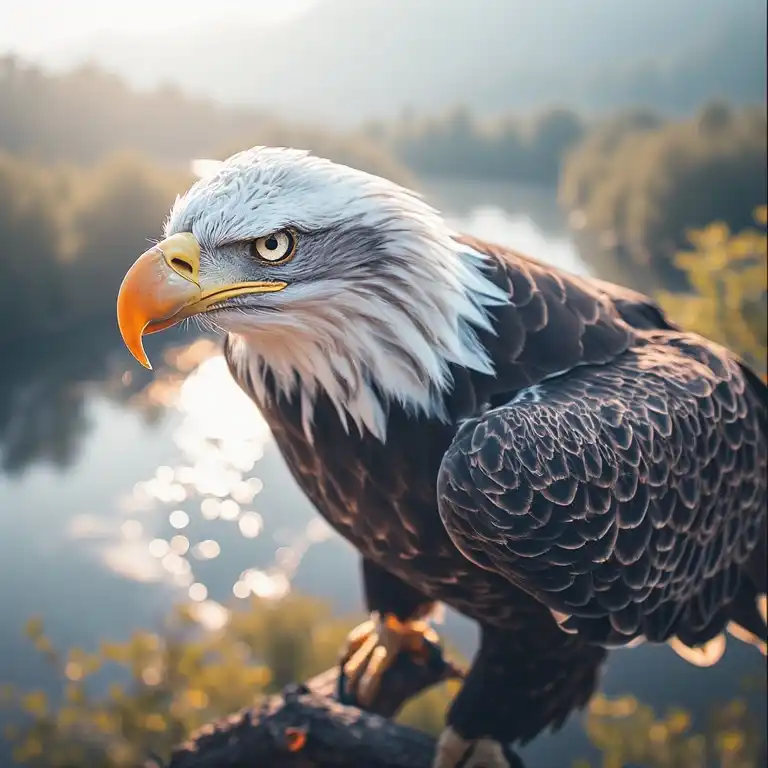
By the 1960s, bald eagles had nearly vanished from much of the United States due to hunting, habitat destruction, and the pesticide DDT, which caused their eggshells to break.
After DDT was banned in 1972 and strong legal protections were put in place, recovery programs began across the country.
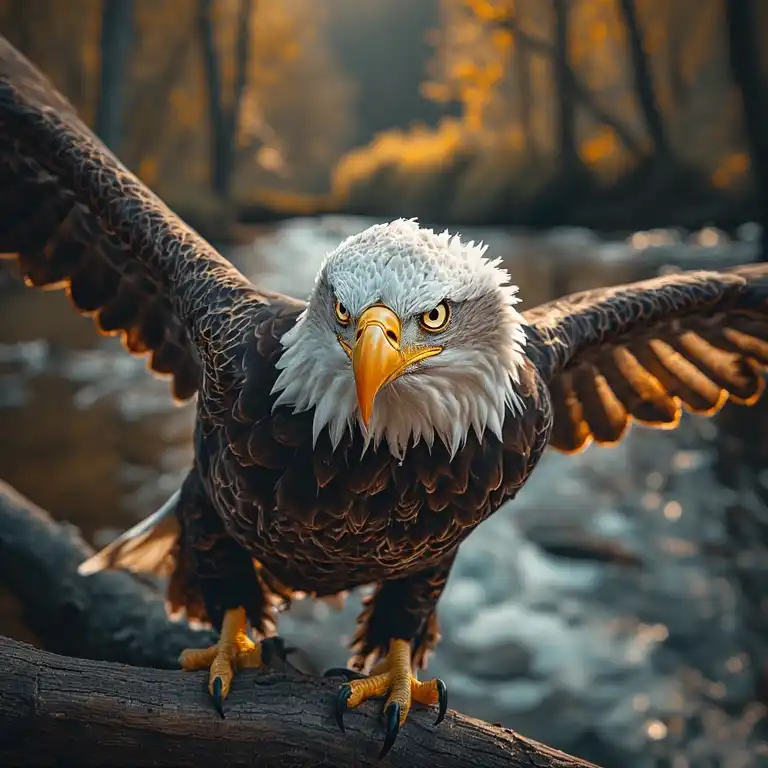
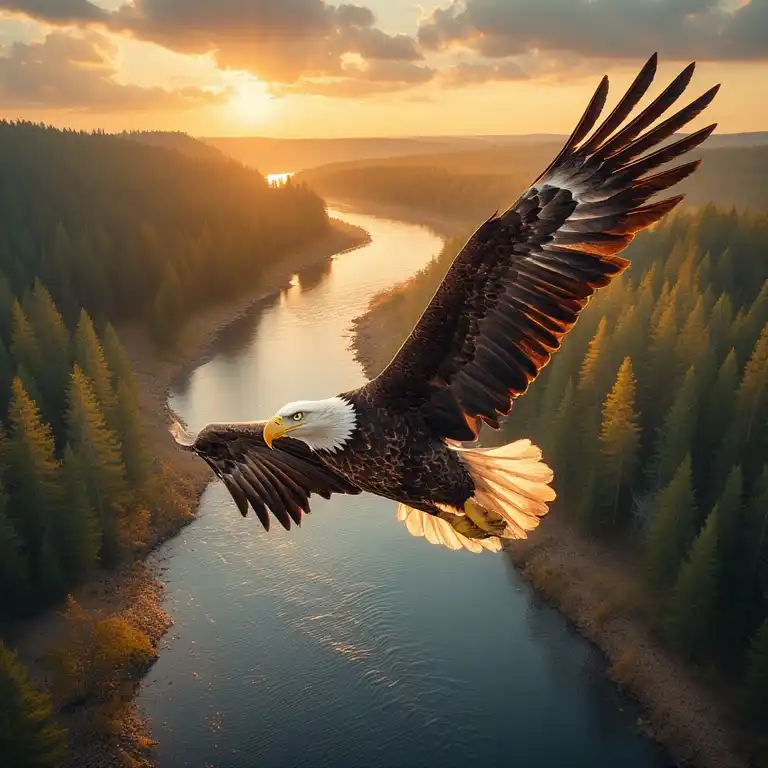
Today, more than 300,000 bald eagles fly above rivers, lakes, and coastlines, with breeding pairs thriving across nearly every state.
Quiet protection and patience allowed this national symbol to reclaim the skies where it belongs.
#4 American Alligators in the Southeast – Guardians of the Wetlands
Hunted and pushed out by drainage, alligators have reclaimed millions in southern rivers and swamps.
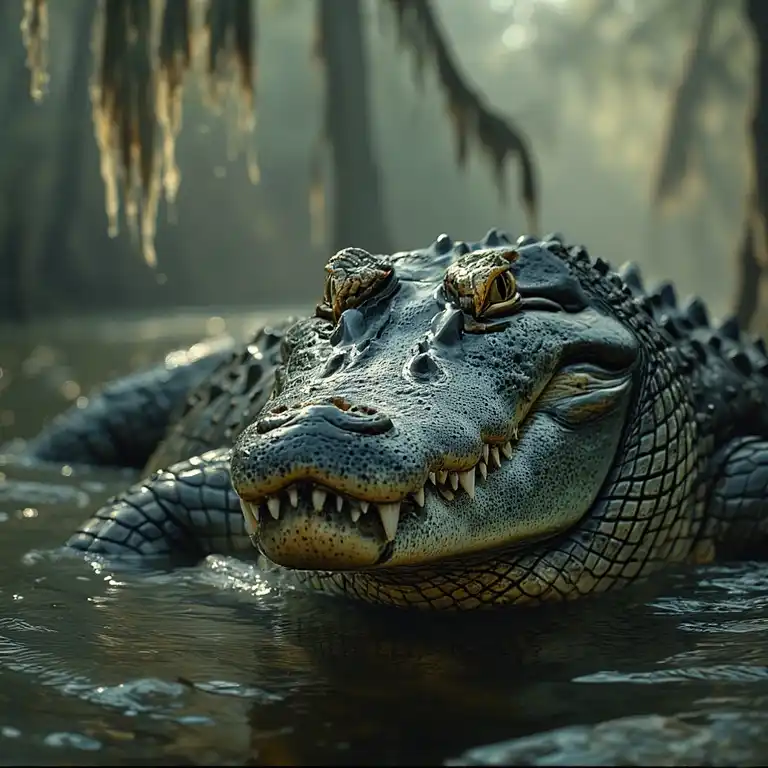
By the mid-1900s, heavy hunting and wetland drainage nearly wiped out American alligators.
In 1967, the species was placed under federal protection, hunting was banned, and large wetland restoration projects began.
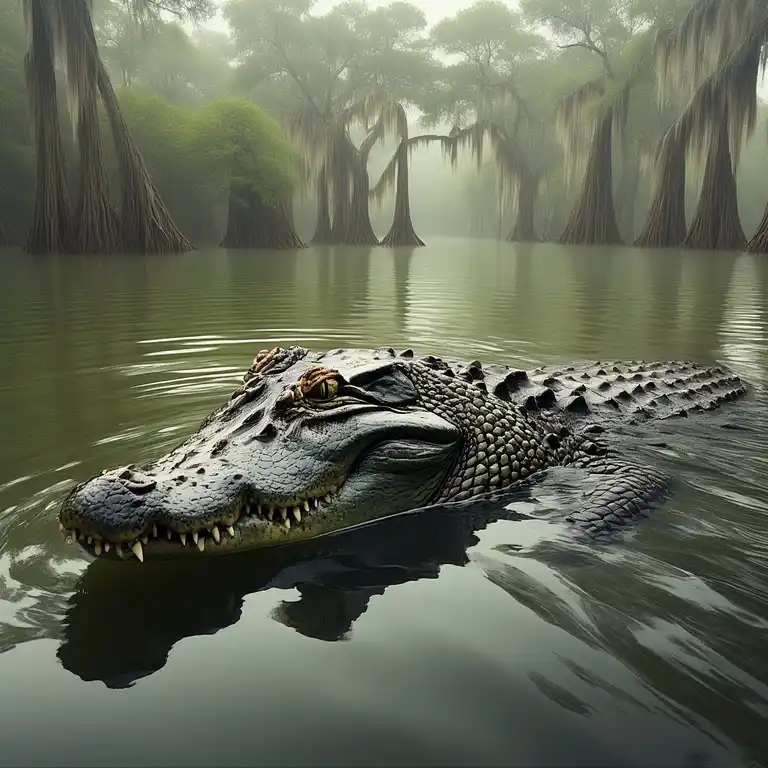
Today, around 5 million alligators live across the southeastern United States, helping control prey populations and maintain healthy wetlands.
When reptiles are given room to recover, ancient ecosystems quietly find their balance again.
#5 California Condors in the West – From 27 to Soaring Flocks
Down to just 27 birds in the wild, California condors now glide over canyons in growing numbers.
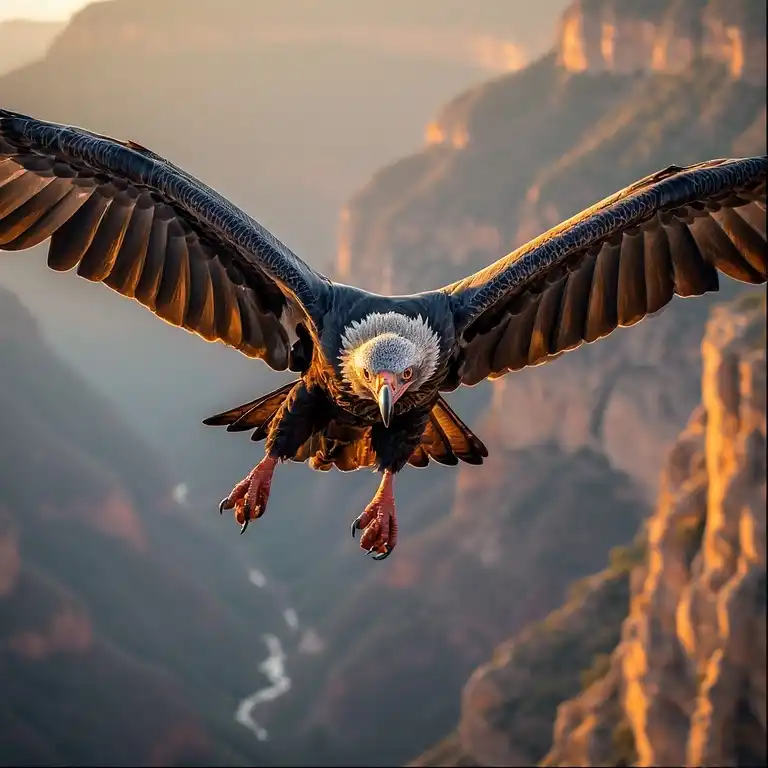
By 1987, lead poisoning, habitat loss, and past hunting reduced the wild population of California condors to just 27 individuals.
Every remaining bird was taken into captivity for an intensive breeding program.
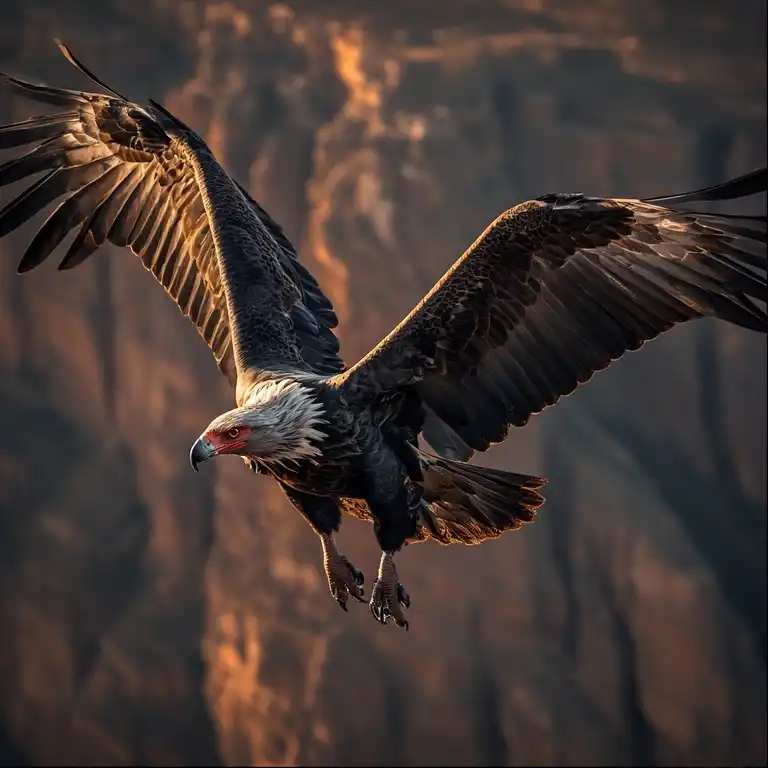
Through careful reintroduction efforts and campaigns to reduce lead ammunition, condor numbers steadily climbed.
Today, more than 500 condors exist, with hundreds soaring freely across western canyons and mountain ranges.
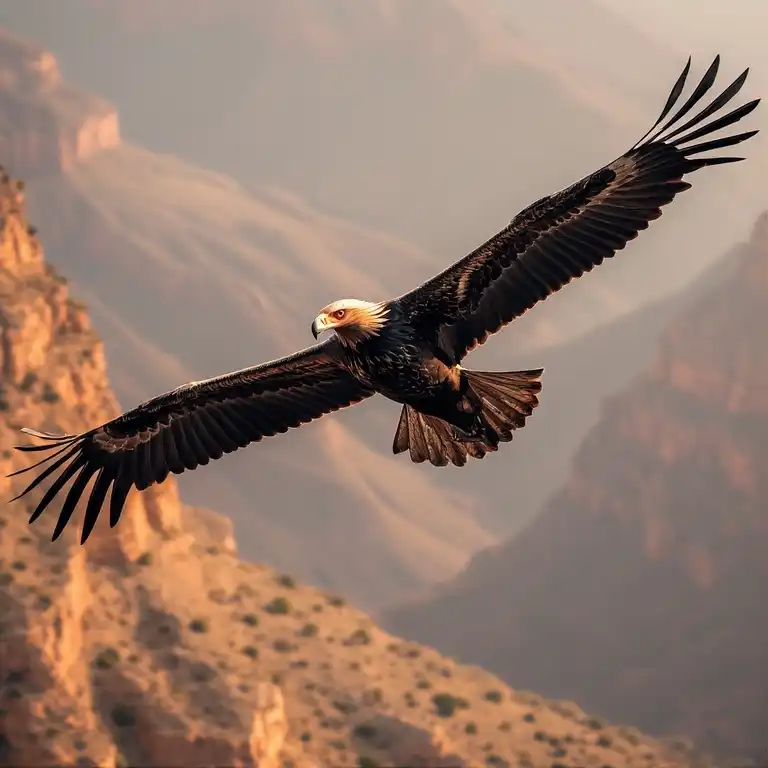
From the edge of extinction, patient conservation brought these ancient scavengers back to the sky.
#6 Black-footed Ferrets on the Prairies – Hidden Hunters Return
Declared extinct in the wild, black-footed ferrets now hunt again in restored grasslands.
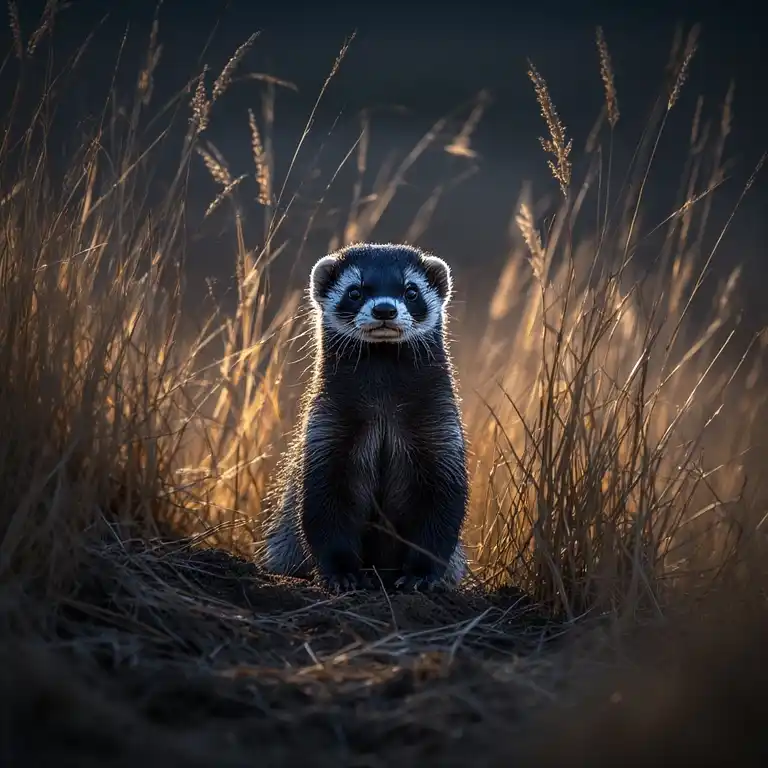
Black-footed ferrets were once thought completely extinct after prairie dog populations collapsed and disease spread.
In the 1980s, a small surviving group was discovered, sparking an emergency breeding program.
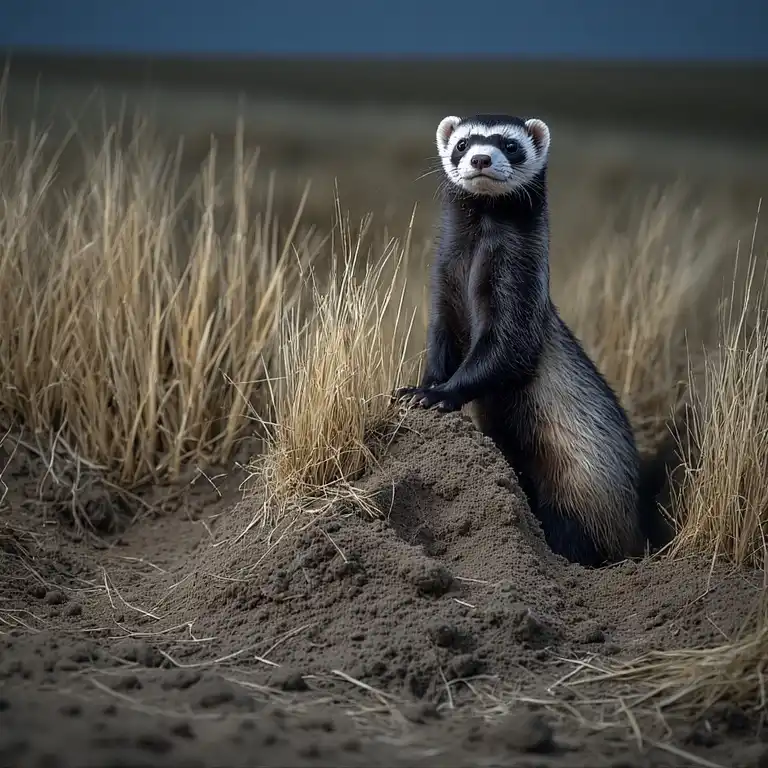
Thanks to reintroductions into restored prairie habitats, hundreds now roam once again.
Small, hidden animals can return when their quiet underground homes are rebuilt.
#7 Mountain Gorillas in Central Africa – Families Growing in the Mist
They were down to under 300, but mountain gorillas have more than tripled in their foggy mountain homes.
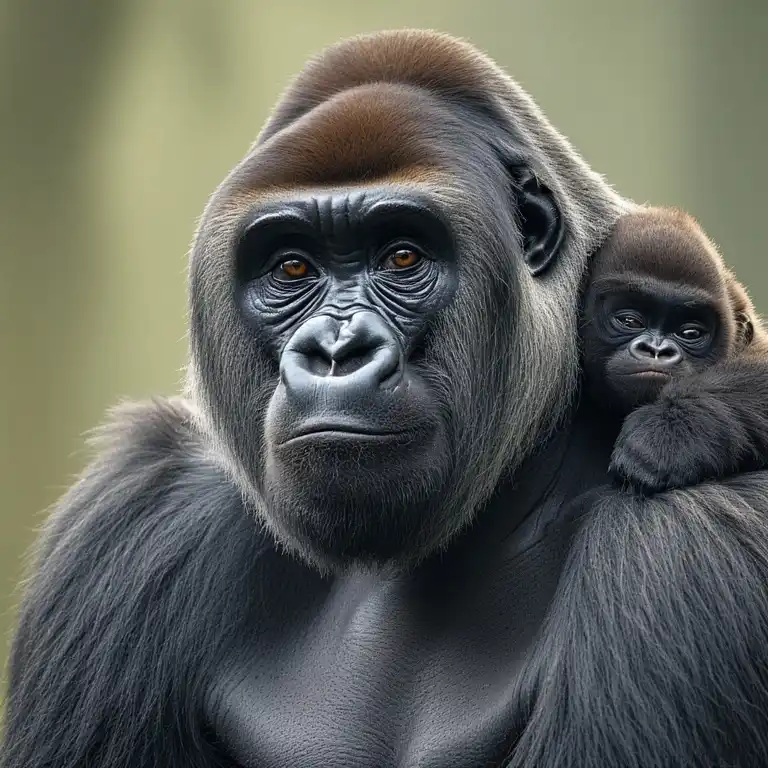
Poaching, regional conflict, and forest loss reduced mountain gorillas to fewer than 300 individuals by the 1980s.
Strong ranger patrols, community involvement, and protected forests helped stabilize family groups.
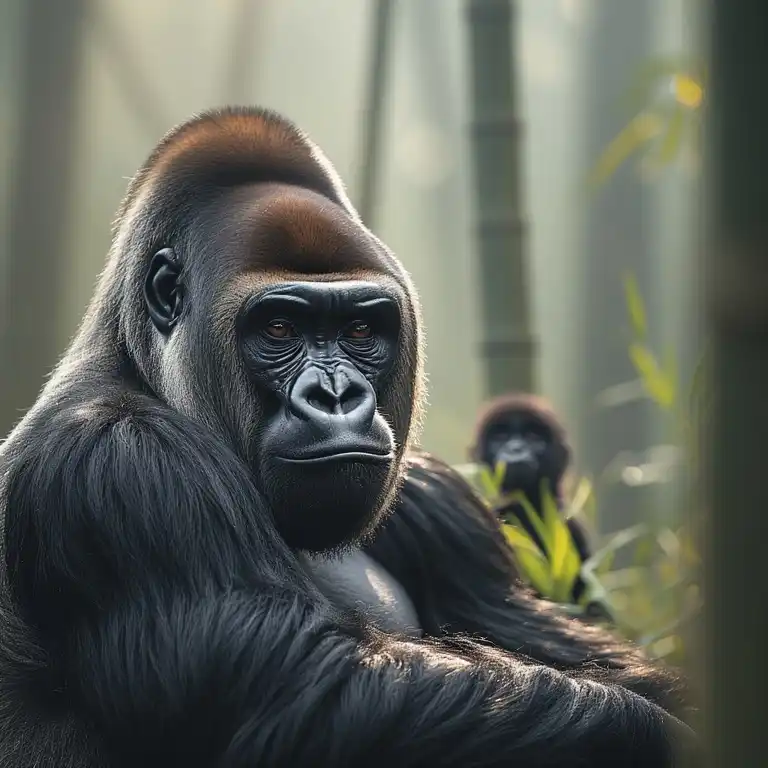
Today, more than 1,000 mountain gorillas live in the misty mountains of Central Africa, moving more freely and safely than before.
With care and commitment, these gentle giants now walk their ancient paths in peace.
#8 Greater One-Horned Rhinos in India & Nepal – Herds on the Rise
Poachers nearly erased them, but one-horned rhinos are back in the thousands across protected grasslands.

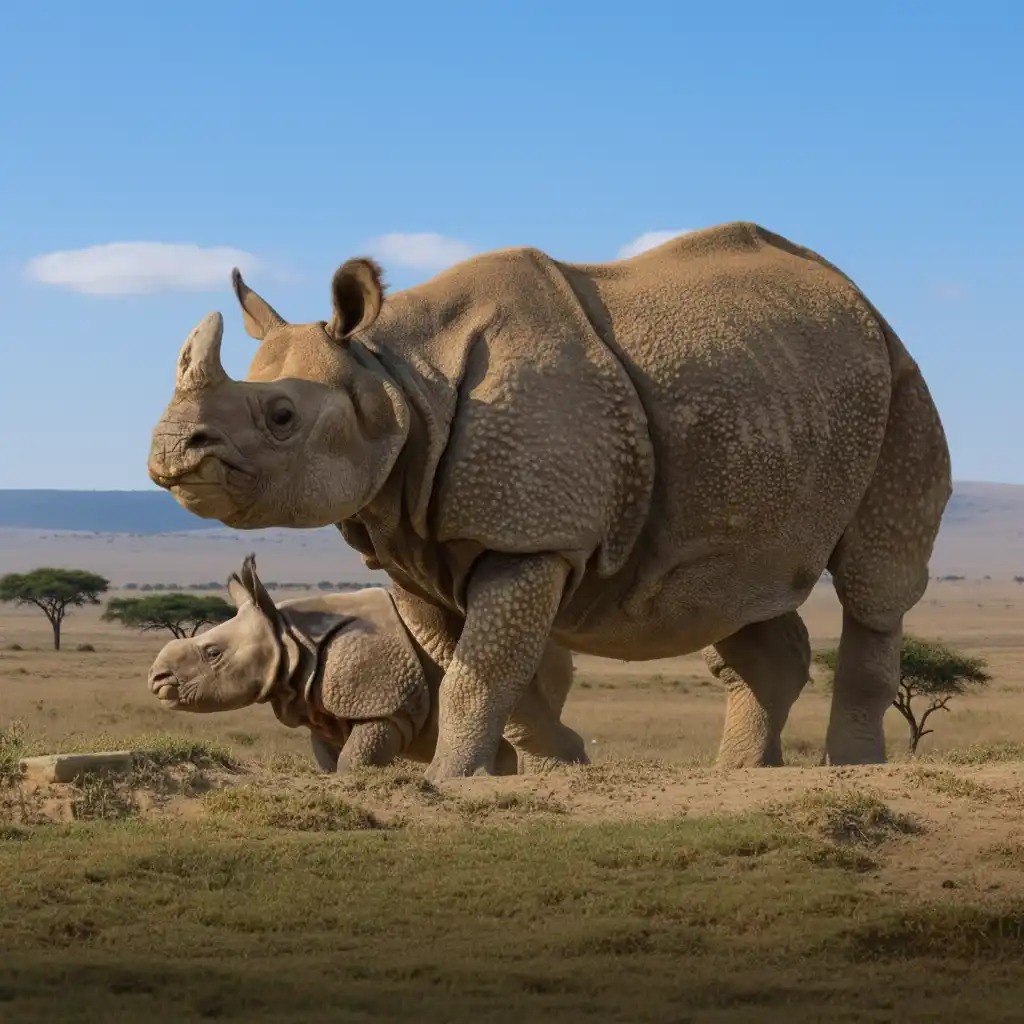
Poaching for horns reduced greater one-horned rhinos to just a few dozen in the early 1900s.
Strict protection laws, anti-poaching patrols, and habitat corridors gave the species a second chance.
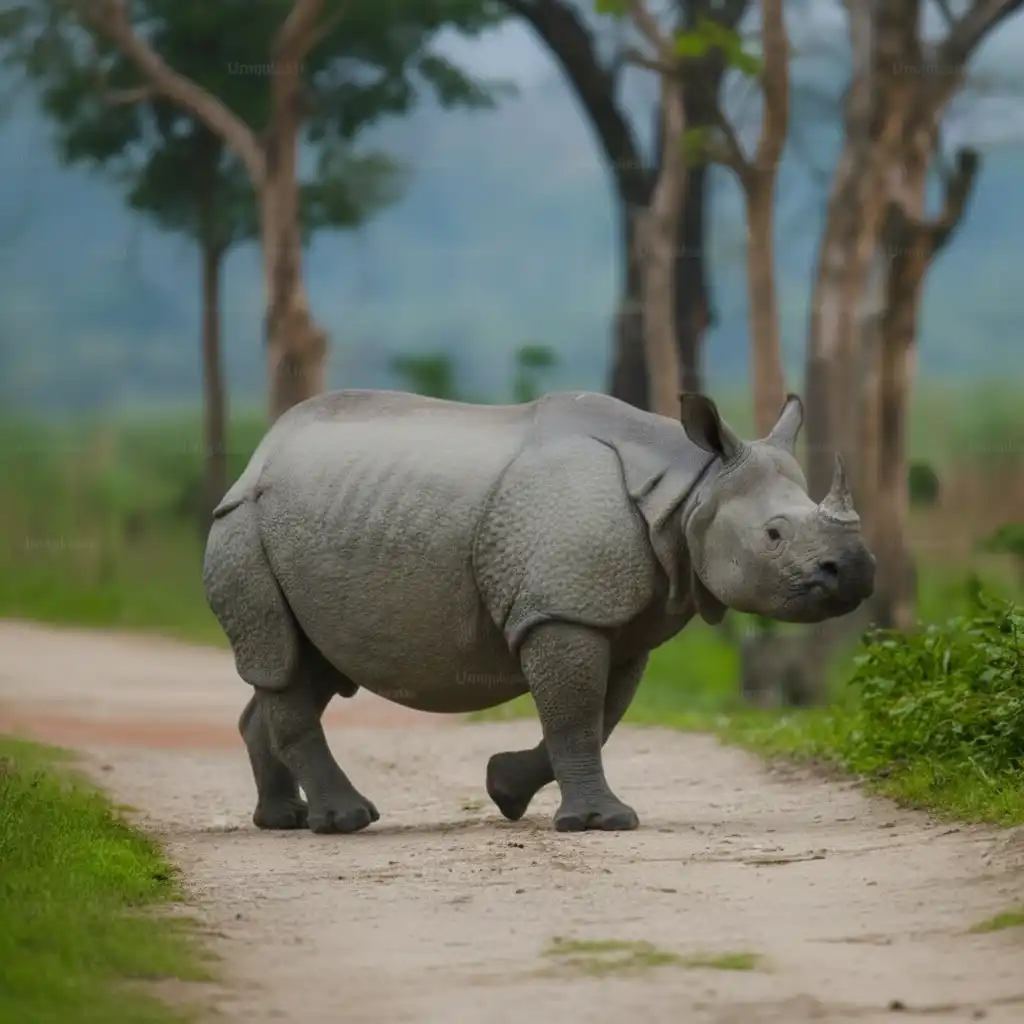
Today, around 4,000 rhinos graze across India and Nepal, with herds reconnecting across reserves.
When humans step up to protect them, floodplains come alive again with heavy, steady footsteps.
#9 Saiga Antelopes in Kazakhstan – From Crash to Vast Herds
They fell to under 50,000, but saiga antelopes now roam the steppes in the millions once again.
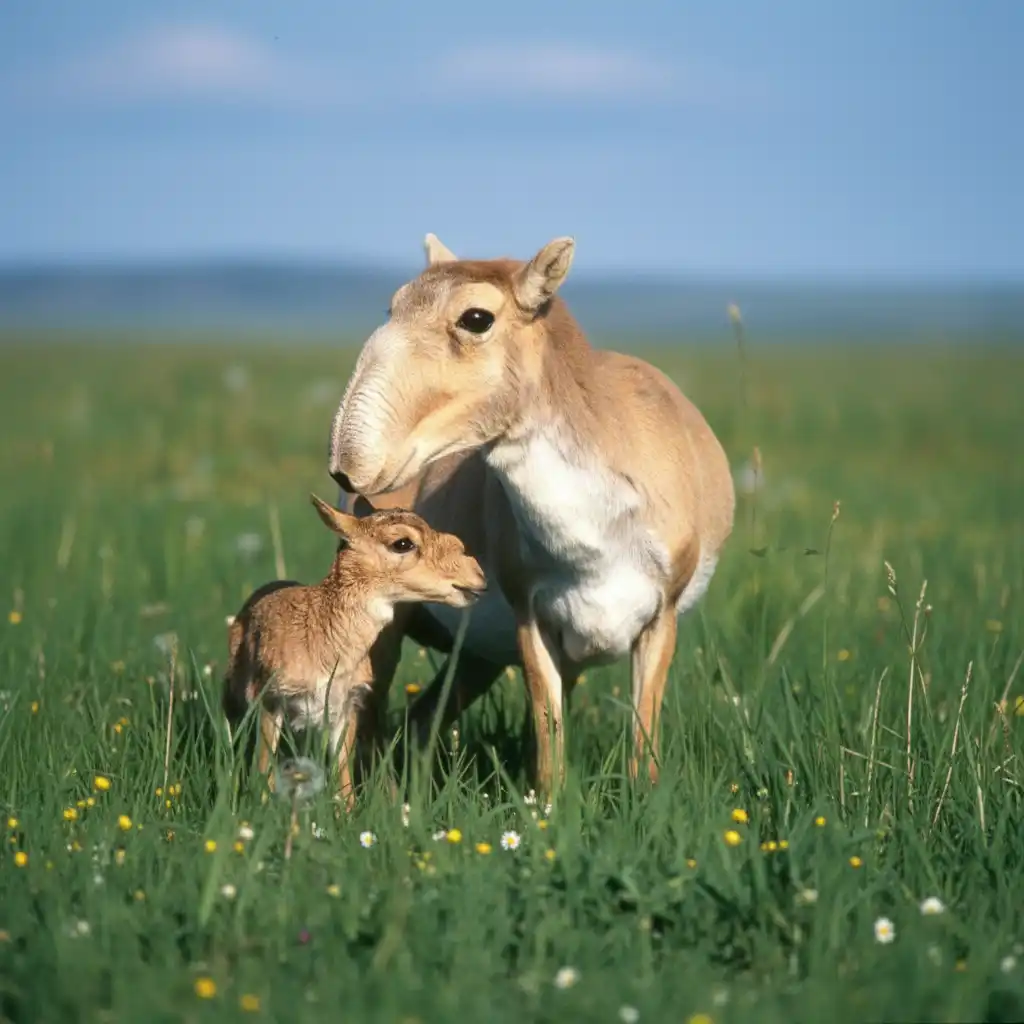
Disease outbreaks and poaching caused saiga populations to collapse dramatically in recent decades.
Habitat restoration, stronger enforcement, and careful monitoring reversed the trend.
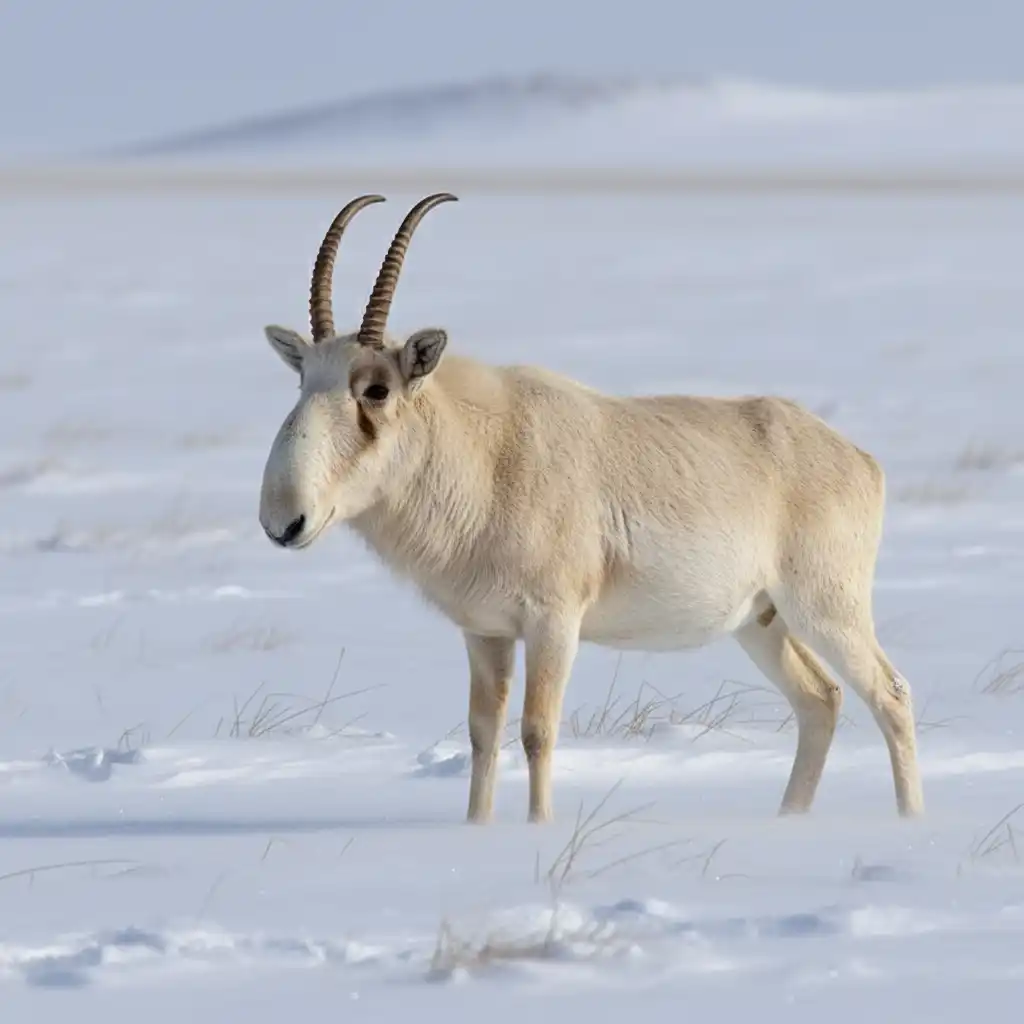
Today, more than 4 million saiga move across the open steppes in massive migrating herds.
Resilient species can rebound when wide-open spaces are finally returned to them.
#10 Florida Panthers in the Everglades – Safe Crossings for Big Cats
Once reduced to 20–30 cats, Florida panthers now number over 200 thanks to safer pathways.
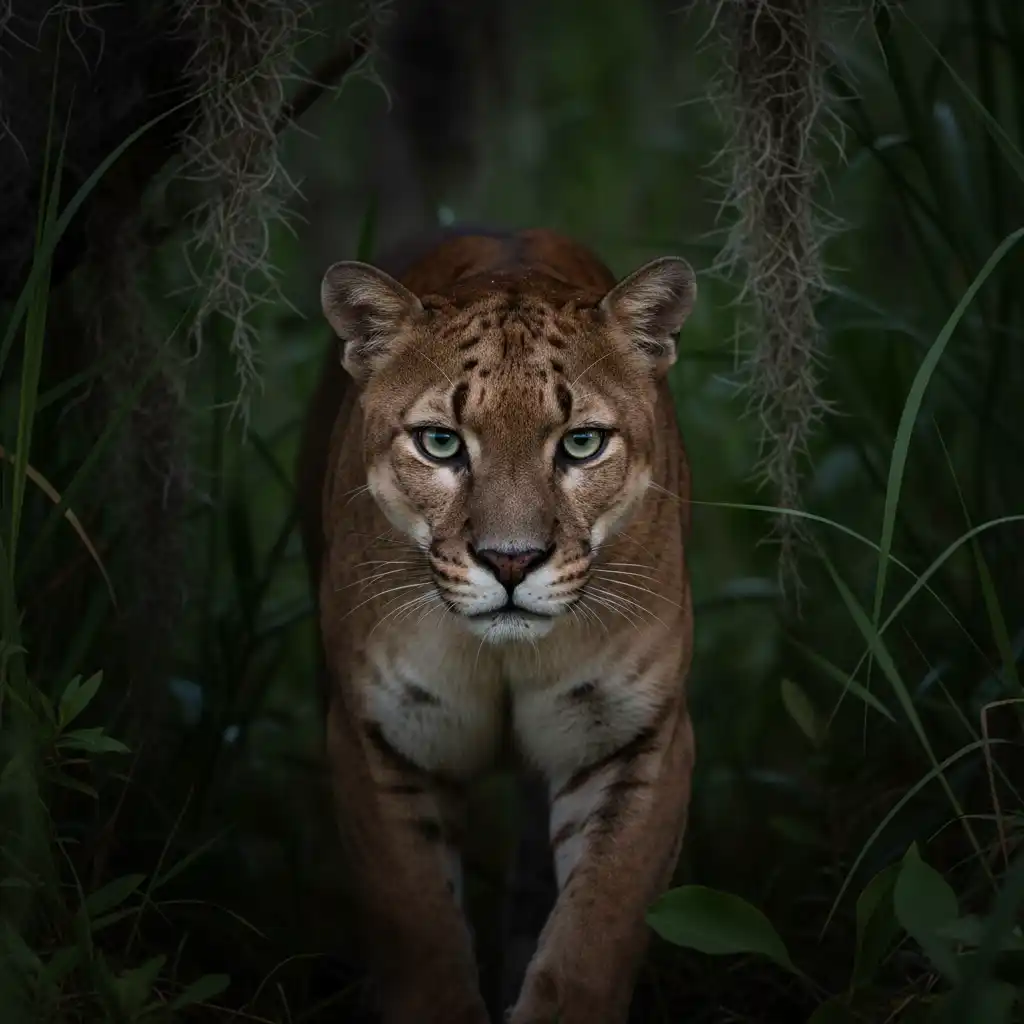
Habitat fragmentation and vehicle collisions pushed Florida panthers to the brink by the 1990s.
Wildlife underpasses, land connections, and genetic restoration efforts helped populations recover.
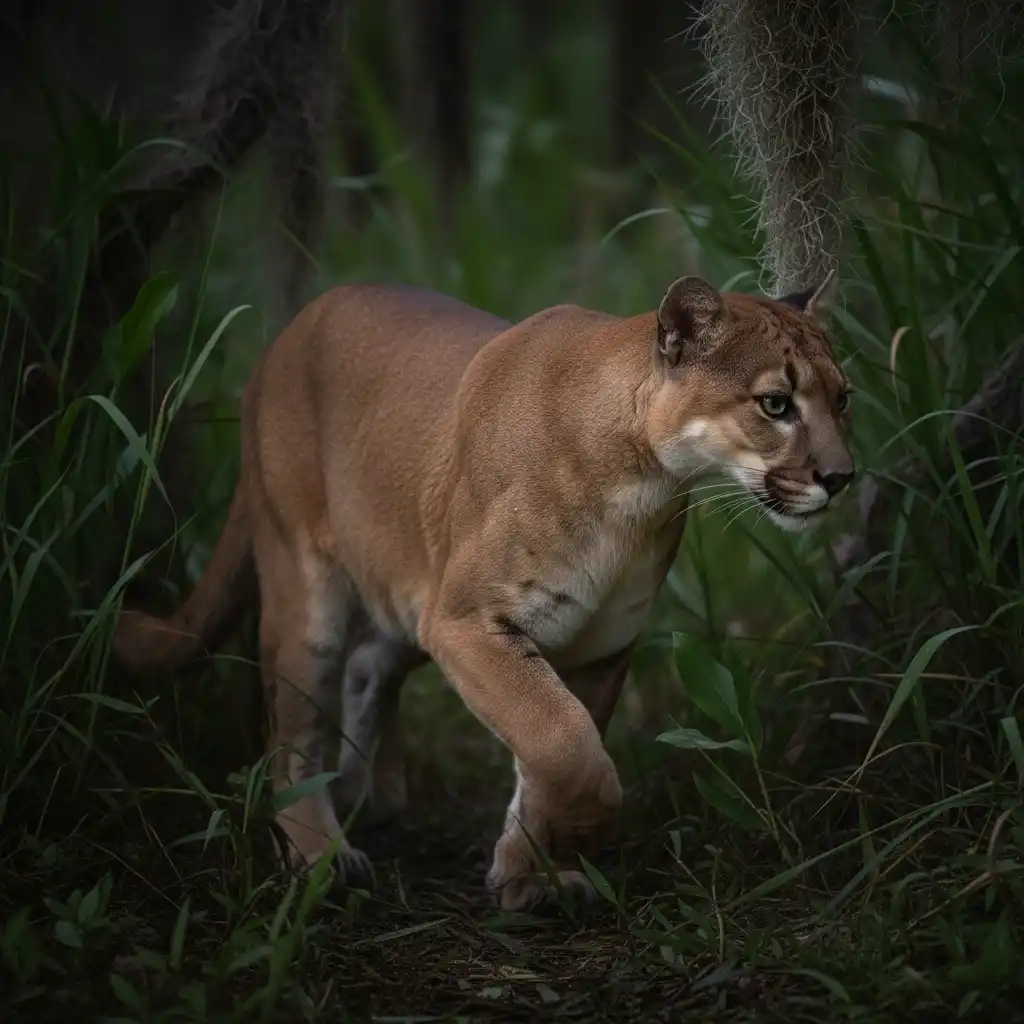
Today, between 120 and 230 panthers roam southern Florida, crossing roads more safely and expanding their range.
With room to move again, these big cats are reclaiming their territory.
#11 Humpback Whales in the Oceans – Songs Filling Silent Seas
Once silenced by whaling, humpback whales are singing and breaching again across recovering oceans.
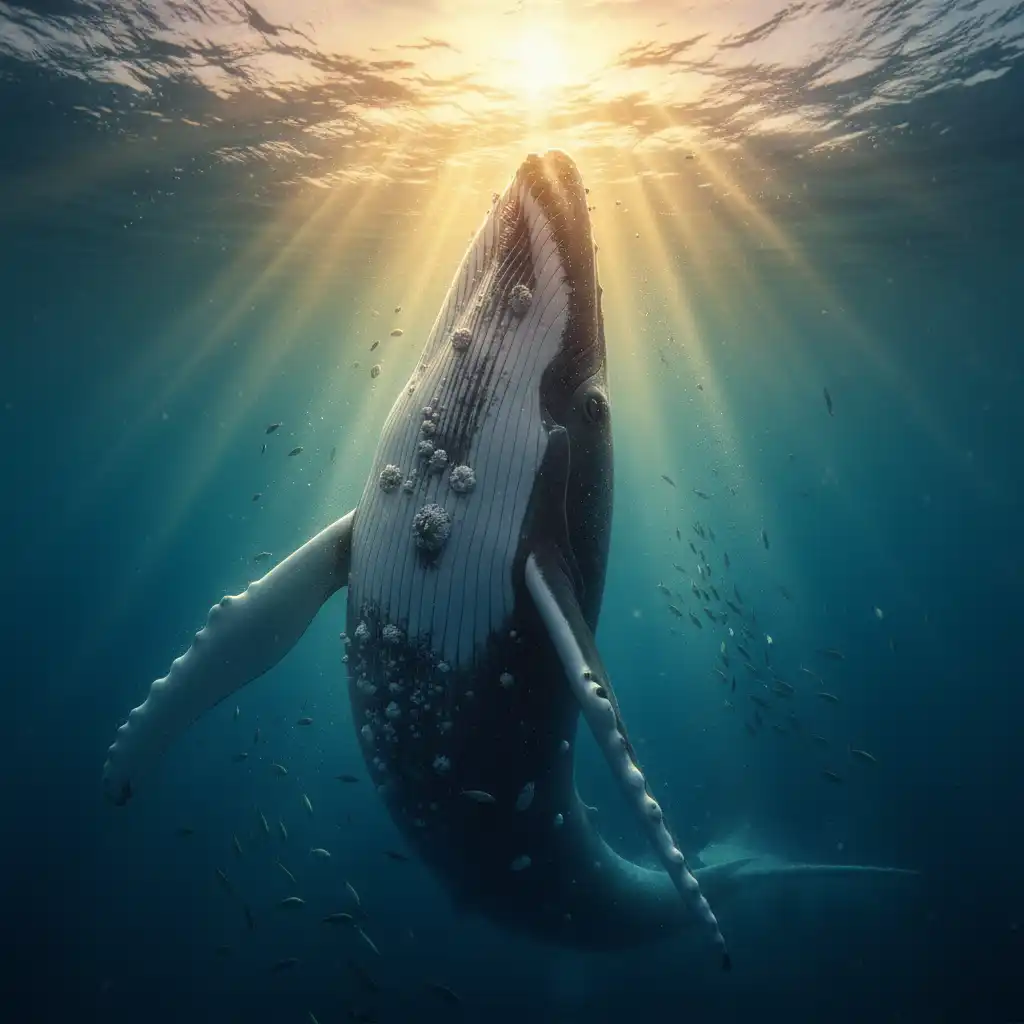
Commercial whaling nearly wiped out humpback populations by the 1960s.
Global bans on whaling and marine protections allowed numbers to slowly rebuild.
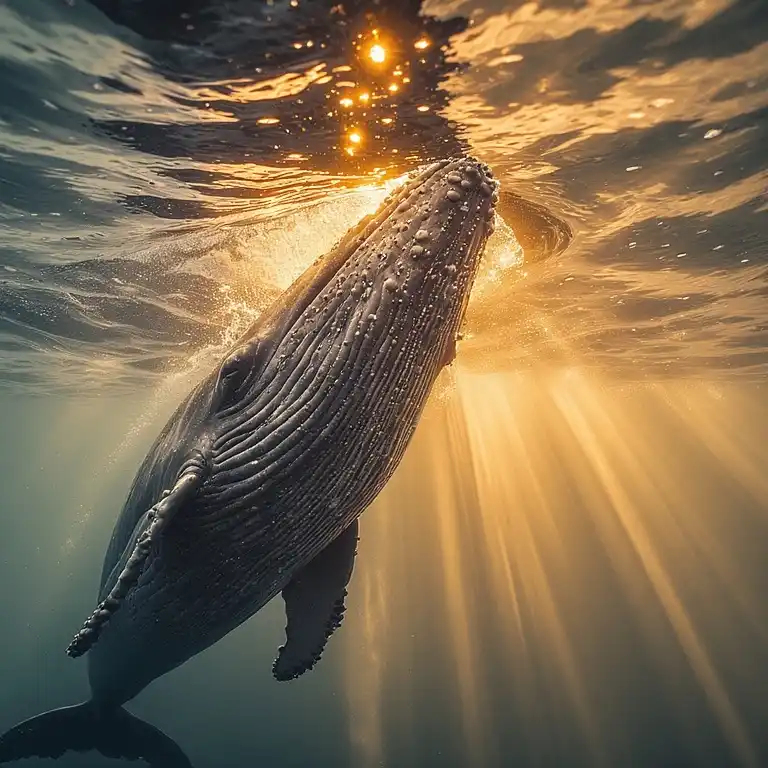
Today, tens of thousands of humpback whales migrate across the world’s oceans, filling once-silent waters with song.
When exploitation ends, the oceans remember how to breathe again.
These recoveries prove that when animals are protected and nature is given space, life returns—stronger, more connected, and full of hope. The wild has an incredible ability to heal, and these stories remind us that conservation works when we commit to it.


Boardmixture staff is a team of content creators specializing in evergreen viral stories, fun facts, and the latest trending stories.