Uncover the Black Diamond apple, a ultra-rare gem from Tibet’s peaks with midnight-dark skin and honey-sweet flesh. Why does this luxury fruit fetch $20 apiece? Dive in for the shocking story.
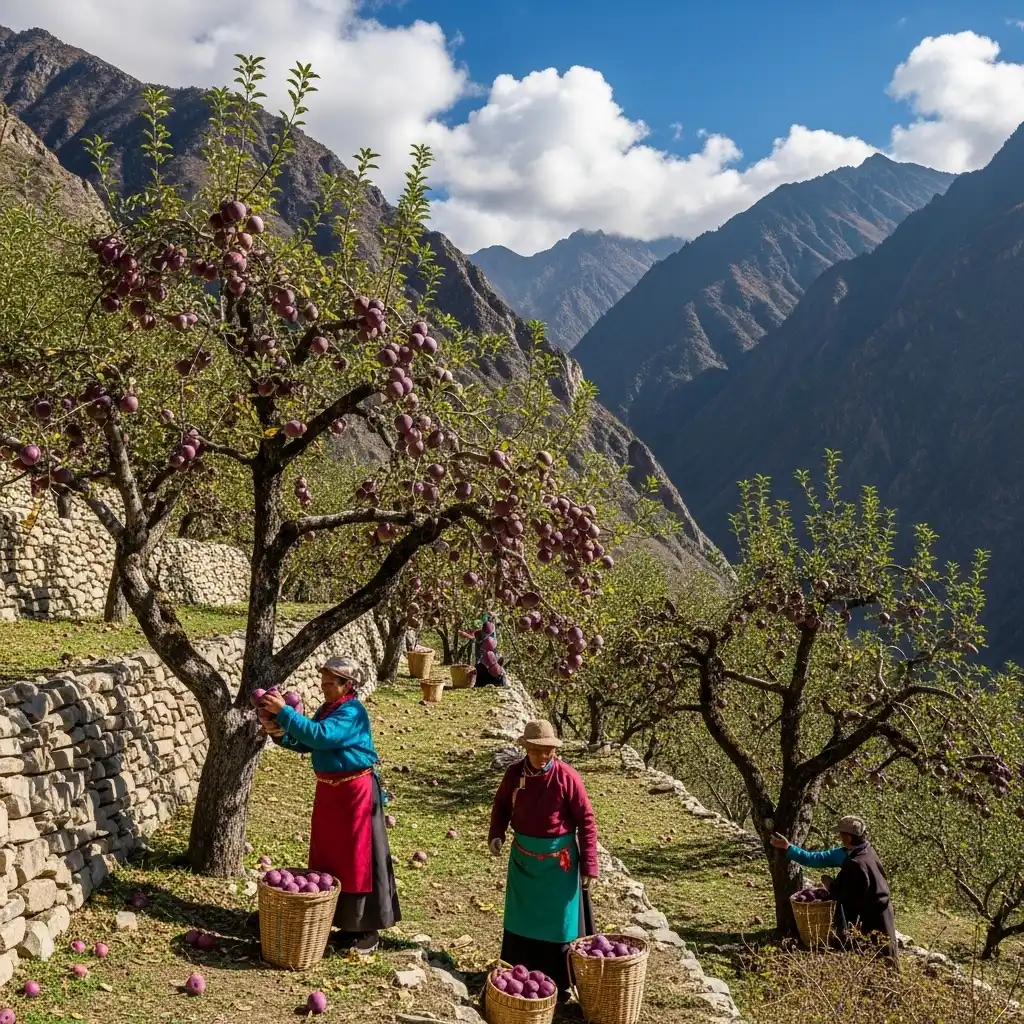
Have you ever bitten into an apple that looks like it’s been dipped in midnight ink, only to reveal a crisp, snowy white inside bursting with honey-like sweetness? That’s the Black Diamond apple—a weirdly rare fruit that honestly feels like some old mountain legend. It grows way up in Tibet’s rough Nyingchi area, definitely not your normal supermarket variety. The farmers up there fight crazy steep hills and wild weather changes just to get a decent harvest. Take one bite and bam—the hard, nearly black outside cracks open to this soft, super-sweet inside that basically melts in your mouth. So the big question is: why the heck do people pay up to $20 for one in those fancy Asian stores? Hang on, the whole story is pretty wild—ancient high plateaus, stubborn growers, and a taste that might actually ruin regular apples for you.

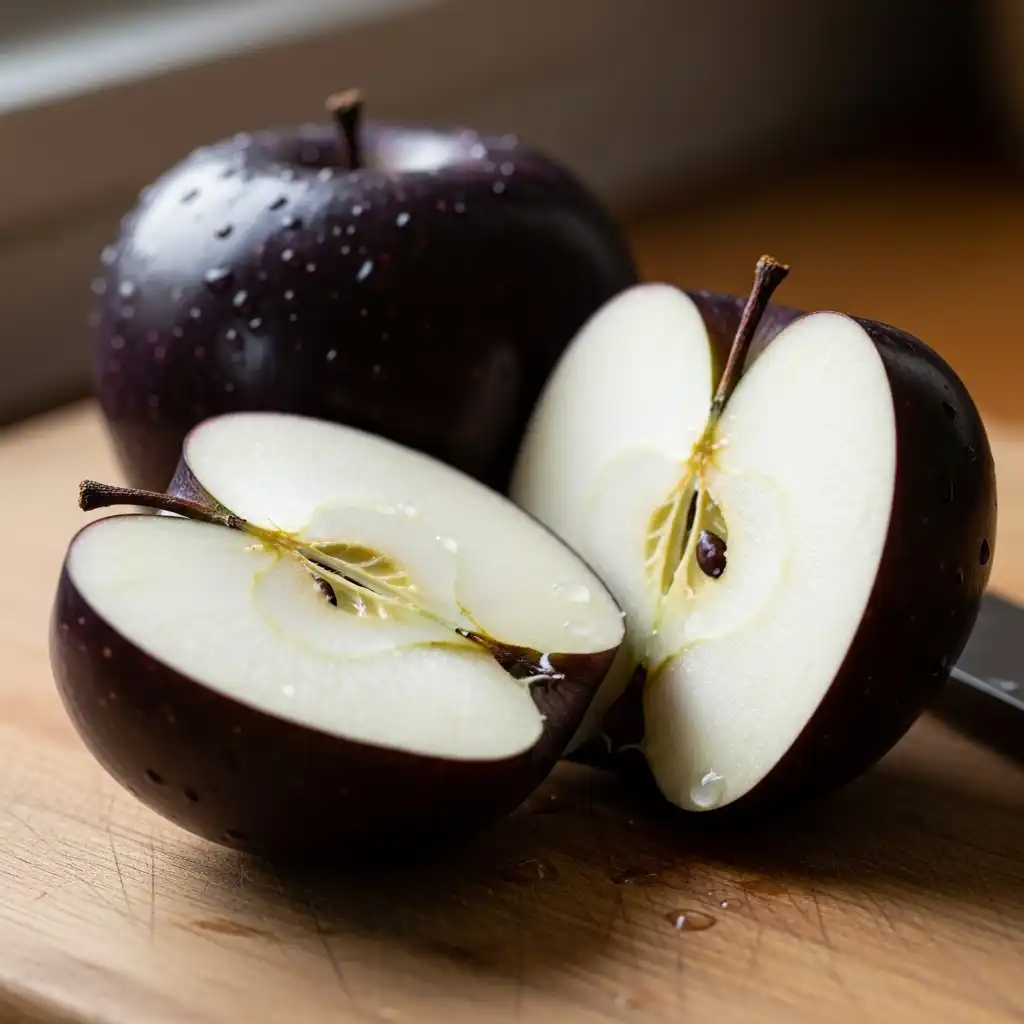
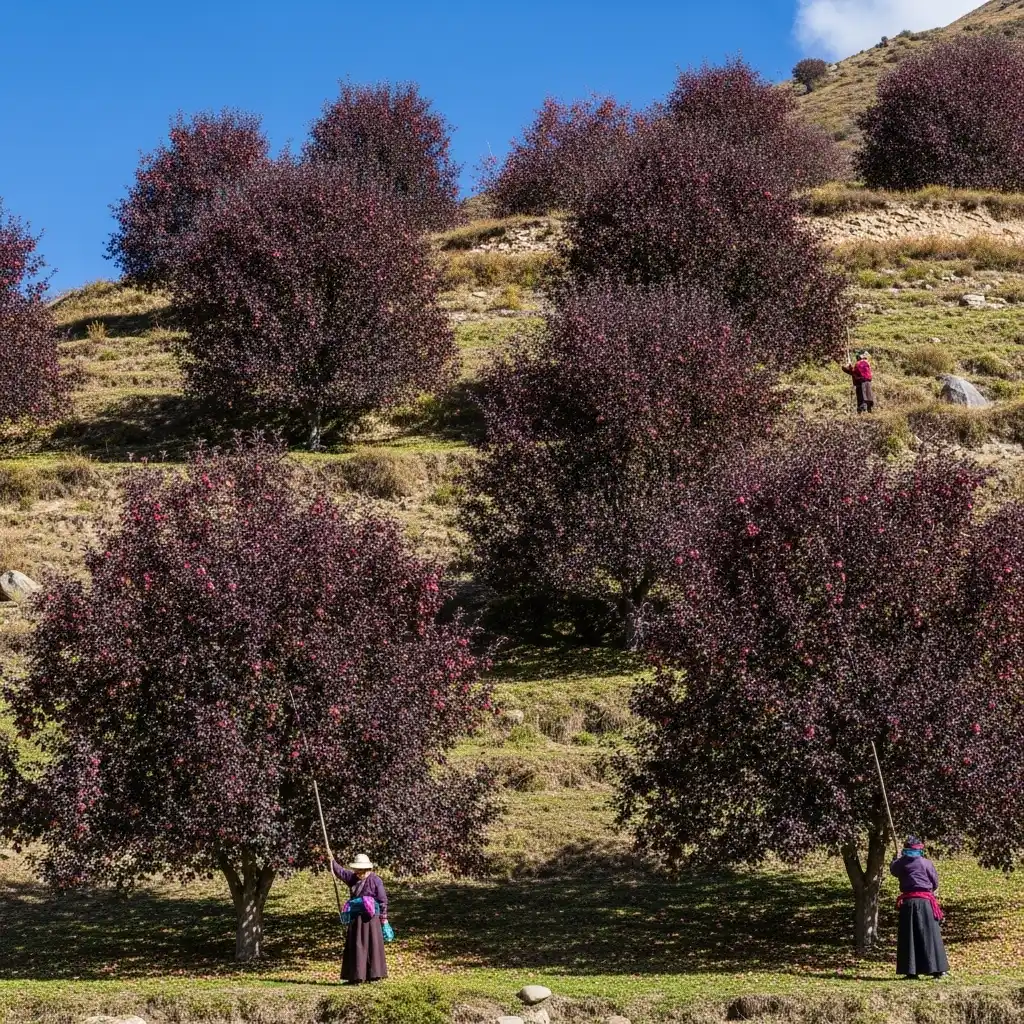
Imagine a foggy morning in Tibet with the sun hitting everything super hard, like a giant spotlight. That’s exactly where these apples do best, sitting over 3,100 meters up.
You feeling curious yet? There’s a reason this thing feels almost like forbidden fruit.
The Allure of the Black Diamond Apple’s Exotic Origins
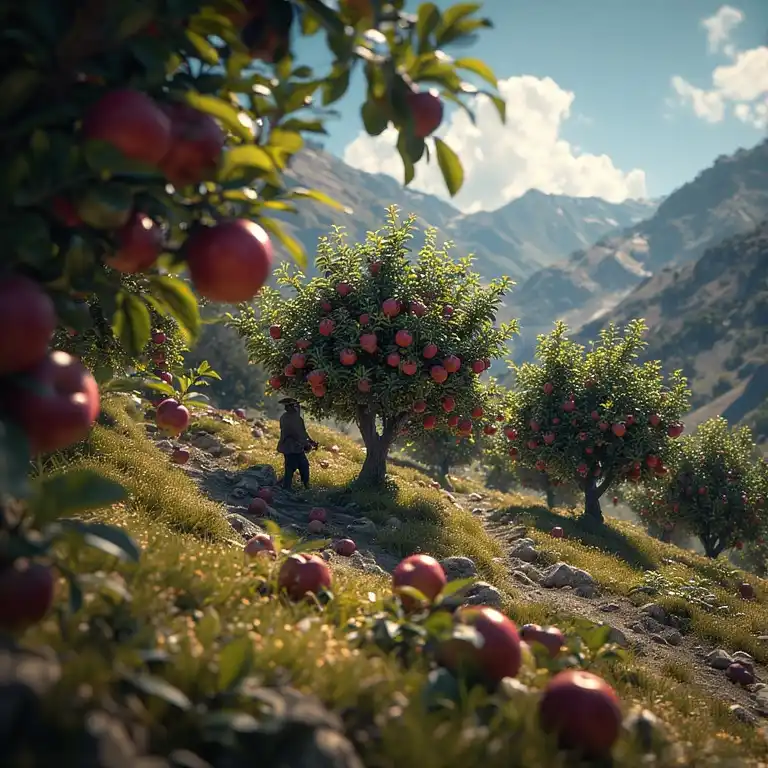
Let’s rewind to how this stunner came to be. The Black Diamond apple belongs to the Hua Niu family, a twist on the classic Chinese Red Delicious. But unlike its red cousins, this one’s adapted to Tibet’s brutal highs—think oxygen-thin air and sunlight so intense it tans the skin to near-black. Originating from hybrid experiments in China, it found its true home in Nyingchi’s valleys, where geography plays matchmaker. Without those exact conditions, the color fades, the sweetness dulls. It’s like nature’s own alchemy, turning hardship into treasure.
And the stories? Oh, they pull you in. Take the tale of a Beijing chef who splurged on a crate for his upscale restaurant. He sliced one open during a demo, and the room gasped—the stark white pulp against that inky peel looked like a gourmet artwork. “Customers pay extra just to Instagram it,” he laughed in a food blog post. But what happens when everyday folks get ahold of one? Spoiler: It sparks debates in online forums, with some calling it overrated hype, others swearing it’s the best bite of their lives.
Surprising Facts That Make the Black Diamond Apple a Must-Know Wonder
Once you start looking closer, this apple has so many cool little secrets. That super-dark skin? It’s not just for looks—it’s loaded with color from all that crazy mountain sun, so it might actually have way more antioxidants than a normal apple. Taste-wise, it’s a symphony—high glucose hits with a sweet-tart zing, often described as “honey meets fresh snow.”
Slap some cheese on it for a fancy little snack, or squeeze it into juice that looks insane. Just watch out—tons of knock-offs are everywhere, so you really gotta make sure it’s the real deal.
In Tibet, locals prize it for festivals, gifting them like jewels to symbolize resilience. One traveler’s account from a Nyingchi market sticks with me: She haggled for hours over a single apple, finally scoring it for $15. “Biting in, I felt connected to the mountains,” she wrote on her blog.
“It’s like nature decided to hide gold inside a coal wrapper.” — A Nyingchi farmer on the Black Diamond apple’s deceptive looks.

What Experts Say About This Tibetan Rarity
Let’s hear from the people who actually know their stuff. Agricultural reports from China’s Tibet Autonomous Region detail how the Black Diamond apple demands precise ecology—anything less, and you get bland imposters. Dr. Li Wei, a fruit specialist from Beijing’s Academy of Agricultural Sciences, explained in a recent paper: “The altitude and light create a unique phenolic compound buildup, enhancing color and sweetness.” His team’s research, spanning years in Nyingchi, confirms the eight-year maturation cycle, underscoring the labor intensity.
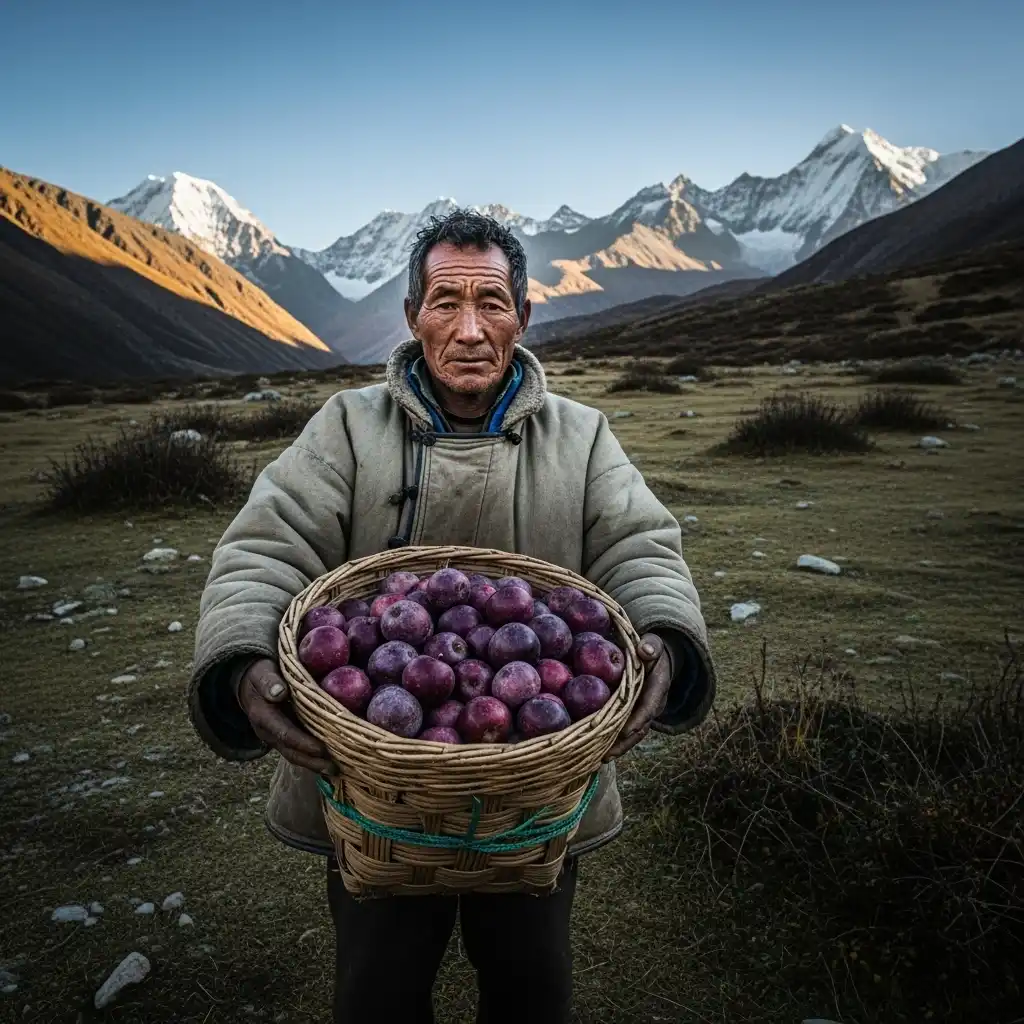
None of this is just random talk; real farmers are out there tracking temperatures every day to squeeze out the best possible crop. That’s the magic mix—old-school tradition plus serious science—that makes this thing legit luxury.
Even global food critics chime in. A Michelin-starred chef in Shanghai told a magazine, “The Black Diamond apple elevates desserts—its acidity cuts through richness like nothing else.”
The Shocking Revelation: Why the Black Diamond Apple Changes Everything
Here’s the part that really gets me—in a world full of boring factory snacks, this apple is like nature flexing. Why drop $20 on one? Because it’s way more than fruit; it’s basically a survival story. These things grow where almost nothing else can, kind of like us when life gets tough. One rich guy in Hong Kong even started collecting them: “Every single one feels like a prize straight from the top of the world.” The real mind-blower? When you chase down something this rare, you end up remembering how freaking good the simple stuff can taste. Maybe real luxury isn’t shiny logos—maybe it’s just whatever the earth quietly makes perfect.
A Sweet Farewell to Tibet’s Hidden Gem
So yeah, after all this, the Black Diamond apple isn’t just some overpriced weird fruit—it’s a nice little reminder to notice the amazing things hiding in plain sight. From those freezing Tibetan mountains all the way to whatever you’re daydreaming about right now, it makes you wanna go find the good, hidden stuff in life. Next time you’re eating a boring old apple, just think about its mysterious dark cousin and give a little grin. The planet’s still got some tricks left, and this one’s a damn good one.


Nalin Ketekumbura is a passionate storyteller who uncovers quirky, timeless stories on BoardMixture LLC. Blending viral trends with evergreen curiosities, he crafts content that resonates and invites readers to share. Always curious, Nalin loves digging into the odd and unexpected corners of everyday life, turning them into captivating tales that keep people coming back for more.