Dive into the epic saga where a grieving man carves mountain road over 22 grueling years, turning loss into legacy. Dashrath Manjhi’s tale of raw determination inspires millions today.
The Day Everything Changed
Imagine this: a rugged hill in rural India, scorching sun beating down, and a woman slips on a treacherous path. No roads, no quick help—just a massive mountain blocking the way to doctors. That’s exactly what happened to Dashrath Manjhi back in 1959. His beloved wife, Falguni, tumbled while crossing that deadly ridge to bring him lunch. She was hurt bad and needed a doctor fast, but the closest hospital was like 55 km away. They had no choice but to take the long, horrible way around the whole damn mountain. By the time help arrived, it was too late. She died in his arms.
He was absolutely furious and completely shattered, and right then he made this promise to himself—no way in hell was anyone else in the village going to lose their life just because that damn mountain was blocking the way. Man, this story just punches you in the stomach. All that love, the terrible loss, and this stubborn, never-give-up fire inside him against a mountain that wouldn’t budge. Honestly, thinking about it still gives me goosebumps—how one guy’s heartbreak ended up changing life for everybody around him.

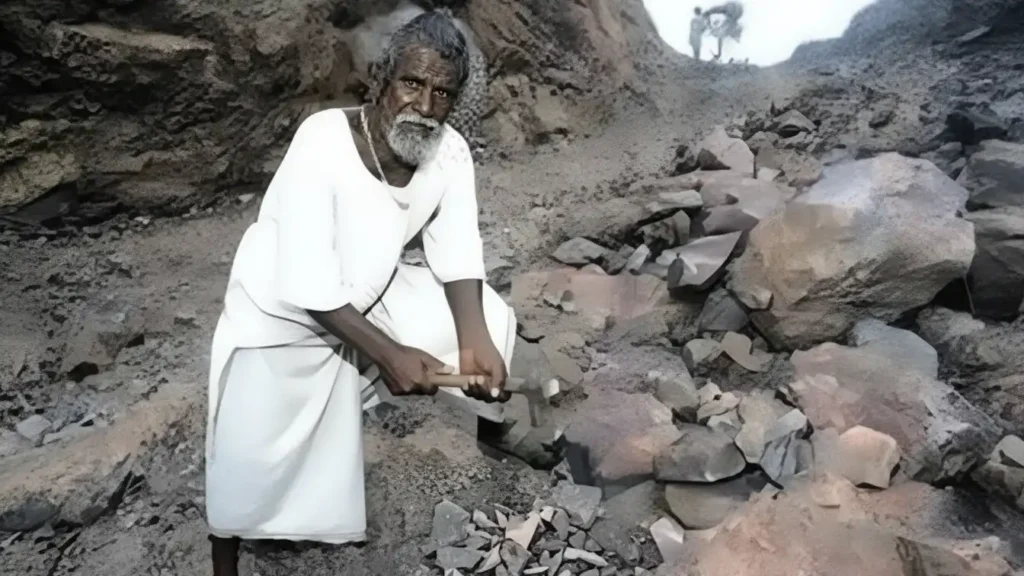
Who Was Dashrath Manjhi? A Glimpse into His Early Life
Look, Dashrath didn’t come out of the womb wearing a cape or anything. He came into the world on January 14, 1934, in Gehlaur, a tiny village tucked away in Bihar’s Gaya district. Life there was tough—think dirt roads, no electricity, and folks scraping by as farm laborers. Dashrath was from the Musahar community—people also call them Mahadalits—and honestly, they were right at the bottom of India’s caste ladder. That meant they got treated like dirt everywhere: no decent jobs, no real respect, barely any rights at all. As a kid, he ran away from home, seeking better chances in the coal mines of Dhanbad. He spent years down in those coal mines, coughing up black dust every day, just grinding through the work while secretly hoping for a better life someday.
Eventually, he returned to Gehlaur, married Falguni Devi, and started a family. They had a son, Bhagirath, and life settled into a rhythm of hard work in the fields. But the village’s isolation haunted them. Those Gehlour hills, which are actually part of the super old Rajgir range, stood there like a giant wall right in the middle of everything, making it impossible to get to Wazirganj town without going the long way around. Villagers had to trek around it for everything—school, markets, medicine. Stories like his always make me think of all those regular people out there—when life slams them down hard, somehow they find the strength to get back up. Forget college degrees and bank accounts… it’s just pure heart that matters.
The Spark of Tragedy: Losing Falguni
Let’s rewind to that fateful day in 1959. Falguni, like many wives in the village, often crossed the narrow, rocky ledge to reach the fields where Dashrath worked. The path was a nightmare—steep drops, loose stones, and no safety net. One slip, and she fell hard, injuring herself badly. Dashrath rushed her as far as he could, but the mountain forced them on a long, winding route. Hours ticked by. No ambulances, no phones—just desperate hope.
She passed away from her injuries, leaving Dashrath heartbroken and furious. He blamed the mountain, that unyielding quartzite ridge, for stealing his wife. In his grief, he made a promise at her grave: he’d carve a shortcut right through it. Sounds crazy, right? But grief does that—it fuels fires you didn’t know you had.
When his old tools finally gave up, he even sold off his goats just so he could afford sharper chisels and a heavier hammer. I remember reading about similar heartbreaks in remote areas, where geography becomes a killer. In Bihar back then, poverty amplified everything. Dashrath’s loss wasn’t unique, but his response was. He turned personal pain into a mission for the greater good. That’s the kind of emotional shift that makes stories like this stick with you.
Embarking on the Impossible: How the Man Carves Mountain Road
In 1960, Dashrath grabbed his tools—a simple hammer, chisel, and maybe a crowbar—and started chipping away. No blueprints, no machines, just raw determination. The whole ridge was made of this super-hard quartzite rock that’s been around for over a billion years—seriously tough stuff. He’d be out there from sunrise to sunset, sometimes banging away for 14 hours straight in that burning Indian heat.
Just imagine him there—sweat pouring off him, hands all torn up and blistered, the sound of metal hitting rock bouncing off the hills. And at the beginning, the villagers would just stand around and laugh at him like he’d lost his mind. Dashrath later recalled, “When I started hammering the hill, people called me a lunatic, but that steeled my resolve.” Yeah, the taunts hurt, but they pushed him harder.
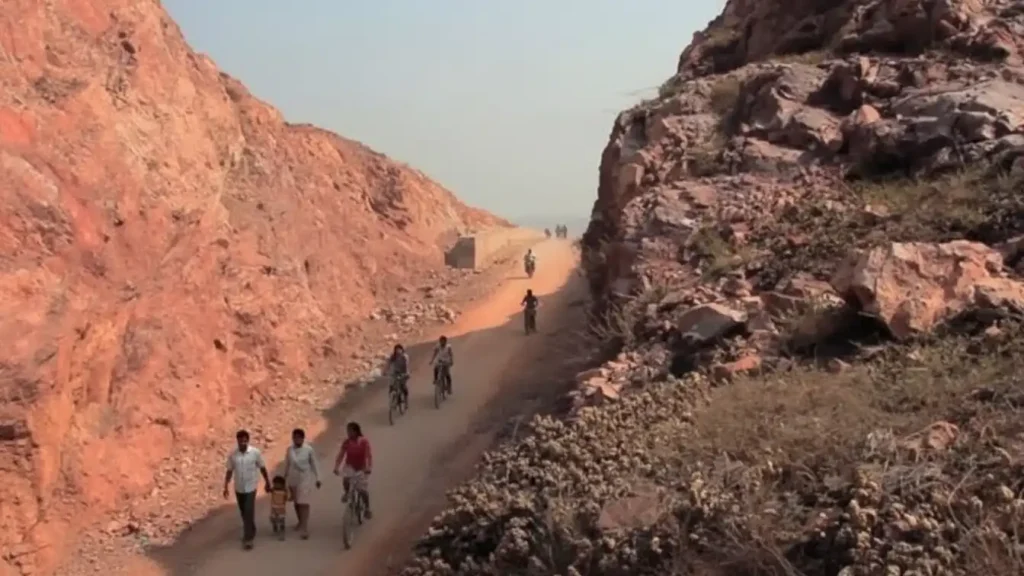
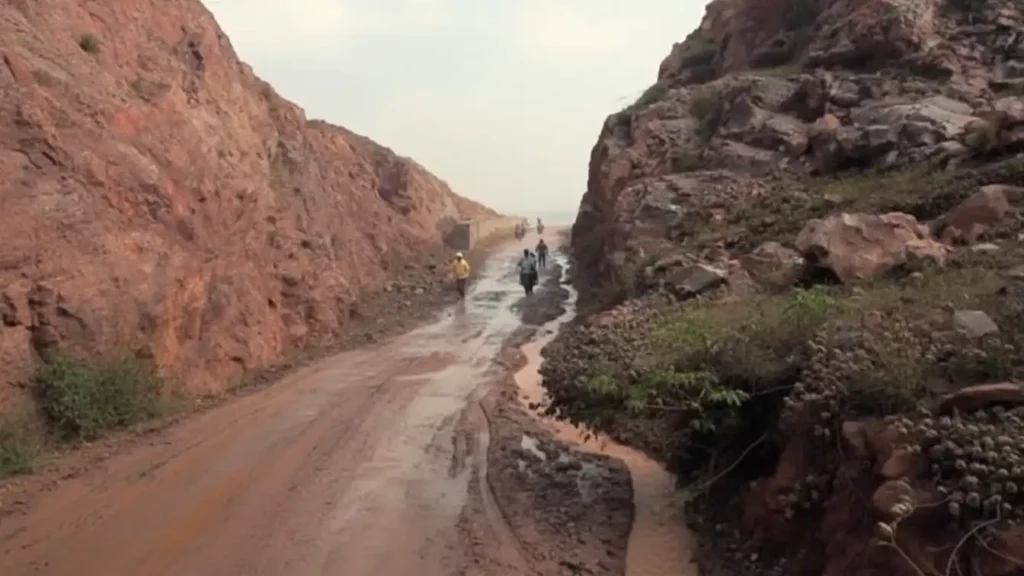
Over the years, the path took shape. By 1982, after 22 relentless years, he’d carved a 360-foot-long passage, 30 feet wide and 25 feet high. It slashed the distance to Wazirganj from 55 km to just 15 km. Suddenly, ambulances could reach Gehlaur faster, kids could bike to school, farmers could haul crops to market without exhaustion. The man carves mountain road, and in doing so, he reshaped lives.
It’s wild to think about the physical toll. Quartzite is one of the hardest rocks—scoring high on the Mohs scale. Dashrath must have faced dust storms in his lungs, aching muscles, maybe even injuries. But love kept him swinging that hammer. I’ve heard anecdotes from locals about how he’d sing folk songs to stay motivated, or share tea with curious passersby who started believing in his dream.
Facing the Doubters: Challenges Along the Way
God, the problems he ran into—yeah, pun totally intended—there were a million of them. Early on, villagers mocked him relentlessly. Kids threw stones, adults spread rumors he was possessed. Even his family worried; his son Bhagirath was young and needed a father, not a ghost chasing rocks. But Dashrath stood firm. “This mountain took my wife; now I’ll take from it,” he’d say.
Government officials ignored his pleas for help. No funding, no equipment—just bureaucracy. In rural Bihar during the 1960s and ’70s, corruption and neglect were rampant. Dashrath traveled to Delhi once, begging for recognition, but came back empty-handed at first. The caste system didn’t help; as a Musahar, he was seen as “untouchable,” his efforts dismissed.
When the monsoons hit, the whole place turned into a slippery, muddy disaster, and during the heatwaves he’d be completely drained. He’d eat the most basic stuff—roti and dal—and half the time he’d skip meals just to keep going. There were definitely days when he almost threw in the towel, especially when some huge boulder refused to move or when the loneliness got to him at night. But memories of Falguni pulled him through.
The thing about Dashrath’s story is it really lays bare how unequal things still are in India—rural people are out here fighting for the bare minimum. But the crazy part? His stubbornness actually started winning people over. By the mid-70s, some of the same villagers who’d mocked him were bringing him food, and a few even showed up on weekends to help him chip away at the rock. That whole turnaround—from people laughing at him to actually respecting and helping him—shows how one person’s sheer determination can eventually light a fire in others.
The Triumph: Completion and Immediate Impact
And then, after all those years of grinding, he finally punched through the other side—he actually did it. Dashrath stood there, chisel in hand, as the first cart rolled through. Tears streamed down his face—victory mixed with exhaustion. The man carves mountain road, and suddenly, Gehlaur breathed easier. Ambulances zipped in during emergencies, saving lives that might have been lost. Kids attended better schools, boosting literacy. Farmers sold produce quicker, lifting incomes.
Just stop and picture all the little ways that one path changed everything. Word spread like wildfire. Newspapers called him the “Mountain Man.” Later on, Bihar’s chief minister Nitish Kumar gave him some land and official honors as a way of saying thank you. Suddenly, Dashrath turned into this huge symbol of what regular, everyday people are capable of. But even then, he never got a big head about it—he just kept living the same simple life right up until he passed.
Legacy of the Mountain Man: Honors and Cultural Impact
Dashrath passed away on August 17, 2007, from gallbladder cancer, at 73. Bihar gave him a state funeral—a rare honor for a laborer. In 2006, they nominated him for the Padma Shri, India’s fourth-highest civilian award. Posthumously, India Post released a stamp in 2016, featuring him in the “Personalities of Bihar” series.
His tale exploded in media. The 2015 Bollywood film “Manjhi – The Mountain Man,” starring Nawazuddin Siddiqui, brought his story to millions. Aamir Khan featured it on his show “Satyamev Jayate” in 2014, even meeting Dashrath’s family and promising aid. Documentaries and books followed, turning him into a global icon of inspiration.
But honestly, the biggest thing he left behind? That feeling of “we can actually do something.” In Gehlaur, kids now dream bigger, knowing a local hero moved a mountain. It’s influenced activists fighting for rural development. Similar stories pop up—like Wangari Maathai planting trees in Kenya or that Chinese villager building stairs up a cliff. Dashrath’s act shows how individual action can challenge oppression.
This story doesn’t go viral because it’s cute or trendy—it goes viral because it grabs you deep down inside. I have to say, in today’s world of quick fixes and social media heroes, his 22-year slog feels refreshingly real.
Why Dashrath’s Story Matters Today
Jump to today, and so many villages in rural India are still cut off in the exact same way—mountains, rivers, thick forests all blocking the way, and now climate change and inequality just make it worse. Dashrath’s example urges governments to invest in infrastructure. Think about it: if one man carves mountain road with hand tools, what could we do with modern tech?
On a personal level, it’s a gut-punch reminder to persevere. Lost a job? Facing health woes? Channel that Mountain Man energy. I’ve shared this story with friends during tough times, and it always sparks hope. It’s messy and real and it’ll make you tear up… and then you end up cheering like crazy.
In our fast-paced lives, we forget slow, steady wins. Dashrath teaches patience, love’s power, and defying odds. That path he carved? Yeah, it’s literally rock… but it’s also this huge symbol of smashing through whatever walls life puts in front of you.
Echoes of Inspiration: Similar Tales of Human Triumph
Dashrath isn’t alone in history’s hall of underdogs. Remember Terry Fox, the Canadian who ran across his country on one leg for cancer research? Or take Malala Yousafzai—she kept pushing for girls’ education even after people tried to silence her with bullets. People like her and Dashrath take their own personal hell and turn it into something that ends up changing the world.
Closer home, there’s Jadav Payeng, the “Forest Man of India,” who planted a whole forest single-handedly. Or that anonymous donor who built schools in remote villages. These anecdotes show humanity’s spark—when systems fail, individuals step up.
What connects all these people? It’s raw emotion. For Dashrath, the pain of losing his wife was what kept his hammer swinging day after day. Imagine how many more incredible things would happen if more people turned their grief into action like that.
Lessons from the Chisel: What We Can Learn
If you really dig into Dashrath’s story, there are some real gems of wisdom in there. The first one? Pure determination beats having money or fancy tools every single time. Second, ignore the naysayers. Those early mocks? Fuel, not fire-extinguishers.
Third, love motivates like nothing else. This wasn’t ego; it was for Falguni and the village. Fourth, small actions compound. He didn’t do it all at once—just one small chip at a time, day after day, and eventually that road appeared. Apply that to habits—fitness, learning, relationships.
Social media scrolls past real effort; his story slows us down, makes us reflect. I opine that in our instant-gratification era, we need more Dashraths.
The Man Carves Mountain Road: A Timeless Beacon
So to wrap it all up, Dashrath Manjhi’s story—this regular guy who spent 22 years carving a road through a mountain against every odd—is honestly one of the most powerful examples of what humans are capable of. From the tragedy that hit in 1959 to the moment he finally succeeded in 1982, those 22 years didn’t just change his village—they ended up inspiring people all over the world.
Every time I think about it, stories like Dashrath’s are the ones that make me believe in people again. Share this if it moved you; let’s keep his spirit alive. In a world full of noise, Dashrath’s quiet chisel echoes loudest. What mountain will you tackle today?


Boardmixture staff is a team of content creators specializing in evergreen viral stories, fun facts, and the latest trending stories.